
What Recurring Payment Means: ACH Payment Means Explained
What recurring payment means (in plain terms)
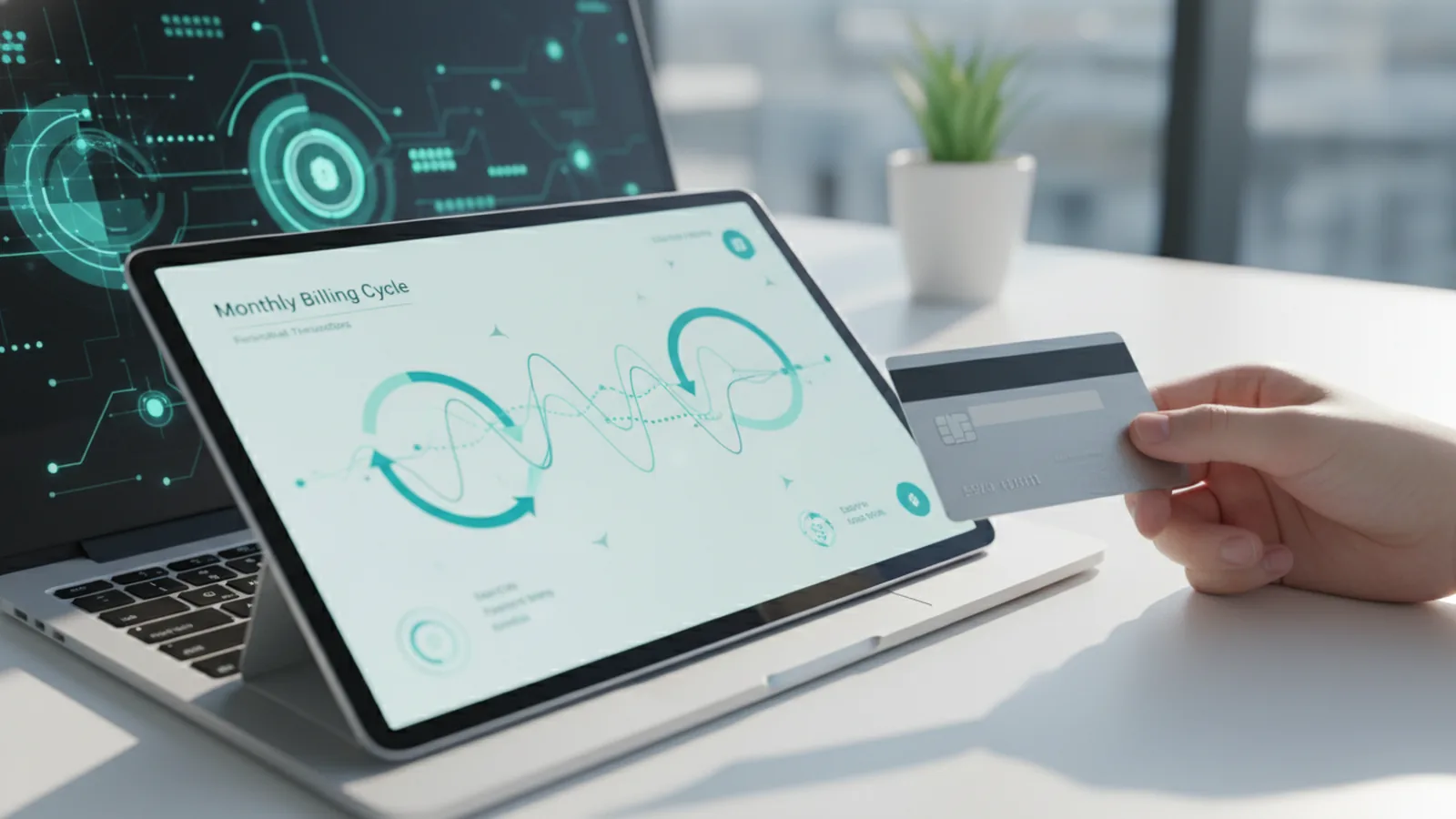
Recurring payment means a payment that is scheduled to happen automatically at regular intervals - such as weekly, monthly, or annually. Instead of you manually initiating each charge, the payment flow is set up once and then repeats based on the agreement between payer and payee.
People often land on the question what does recurring payment means because they want to understand the difference between an isolated transaction and a subscription-style payment. A one-time purchase clears once; a recurring payment clears repeatedly until it’s paused, refunded, or canceled according to the billing rules.
From an operational view, recurring payments usually require some form of payment authorization or a stored payment consent. The exact mechanics depend on the payment method - ACH, card, SEPA direct debit, bank transfer, or local rails - but the business idea stays consistent: repeatability with controlled timing.
- One-time payment: initiated and processed once
- Recurring payment: repeats automatically on a schedule
- Cancellation behavior: stops future runs, but past payments may remain immutable
How recurring payments are set up and controlled
To understand recurring payment means in practice, it helps to look at the lifecycle: consent/setup, recurring billing, handling failures, and ending the agreement. Most systems record a customer mandate or an authorization token at the start, then generate payment attempts using that stored capability.
Recurring billing is rarely “fire and forget.” Payment orchestration typically includes rules for retry windows, grace periods, and the conditions under which a subscription is marked as past due. If a scheduled run fails, the system may retry later, notify the payer, or move the account into a collection state depending on your configuration.
Finally, control matters: customers may cancel, pause, or request refunds for specific installments. Many gateways and banks allow rich reporting, so finance teams can reconcile scheduled charges versus completed settlements.
- Agreement & consent: payer authorizes recurring charges for a specific amount or variable schedule
- Payment token/mandate: system stores the payment permission for later repeats
- Scheduled runs: payment attempts execute on the defined cadence
- Failure handling: retries, notifications, and status updates
- Termination: cancel/pause rules stop future attempts
ACH payment means: where “ach means in payment” fits
ACH payment means an Automated Clearing House transaction - an electronic payment rail commonly used for bank-to-bank transfers. When someone asks what means ACH payment or what does recurring payment means in an ACH context, they usually mean: “Can recurring bills run using bank account transfers instead of cards?”
The phrase what ach payment means is often used interchangeably with “how ACH is used.” ACH supports recurring debit or credit patterns, depending on the authorization. In recurring billing scenarios, a payer typically authorizes a future debit from their bank account at scheduled dates.
It’s also useful to separate the payment rail from the business behavior. ACH is the transport mechanism; recurring payment is the business pattern. Together, they describe a system where a recurring debit is executed via ACH each billing cycle.
| Concept | Meaning |
|---|---|
| Recurring payment | Charges repeat automatically on a schedule |
| ACH payment | Bank-to-bank electronic transfer using the ACH network |
| ACH for recurring billing | Repeated ACH debits (or credits) tied to an authorized mandate |
| Authorization & timing | Consent enables future runs; schedules define debit dates |
When you hear ach means in payment, think “the rails are ACH.” The settlement experience, timelines, and failure modes will differ from card processing. That’s why designing retries, customer notifications, and reconciliation logic correctly matters.

What to check before using recurring payment means
If you’re configuring recurring payments, the definition is only the start. The real work is verifying that each payment method supports the operational requirements you care about: authorization storage, schedule control, mandate lifecycle, and reporting granularity.
For ACH specifically, teams often ask what recurring payment means for their customer base because ACH has distinct behaviors compared with card payments. For example, settlement and visibility timelines can differ, and insufficient funds can trigger returns that require clear handling in your subscription state machine.
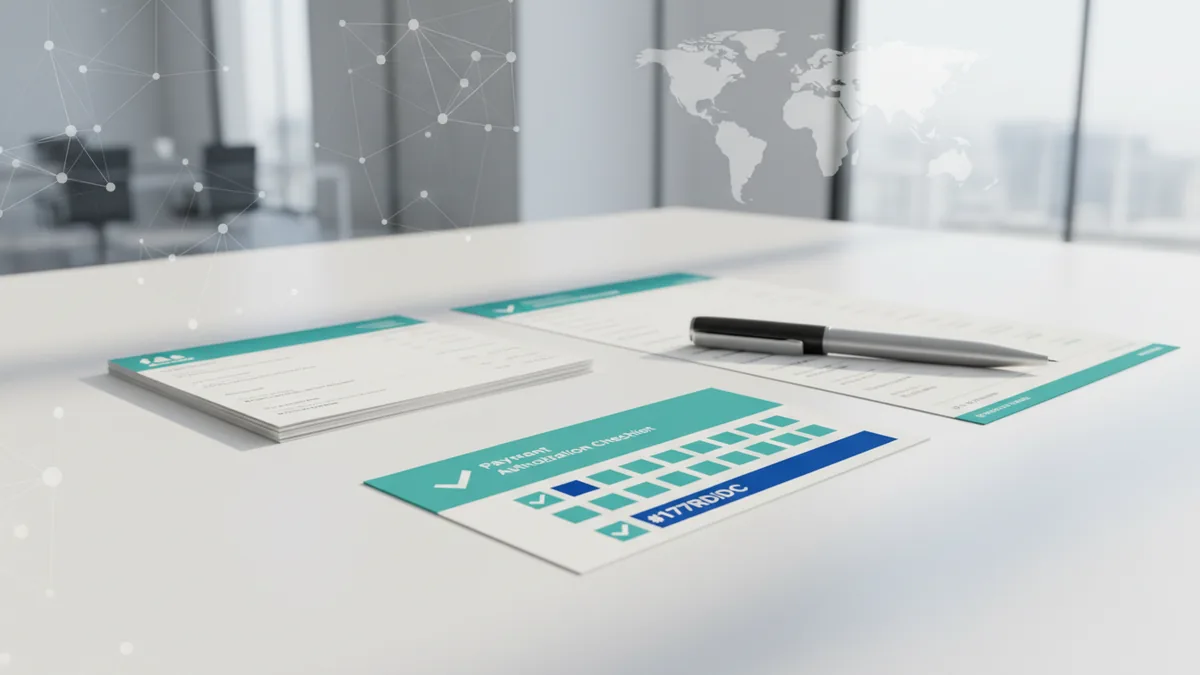
Below are practical questions you can use as a checklist during implementation and partner selection - especially when you’re connecting with acquiring banks, PSPs, or local payment methods worldwide.
- Authorization source: Do you have mandate/consent storage and can it be updated when customers change details?
- Scheduling control: Can you set billing dates and manage holidays/weekends or cutoffs?
- Failure workflow: What happens on returns, reversals, and missed debits?
- Reporting & reconciliation: Can you reconcile scheduled vs settled payments at the right granularity?
- Customer experience: Are cancellations and pauses immediate or applied at next cycle?
Common models: recurring payment means in real billing flows
Recurring payments are used across subscriptions, installment plans, and usage-based billing where charges repeat frequently. The simplest model is “fixed amount every period,” but many businesses need variable billing amounts based on usage, tiers, or invoices.
In an ACH-backed setup, the operational flow might look like: consent is captured, each cycle triggers an ACH debit attempt, and results are posted to your ledger for settlement reconciliation. The exact identifiers, return codes, and settlement timing will depend on the bank and processor, but the overall pattern remains consistent.
If you compare what ach payment means with card recurring, a key distinction is how each rail handles failure and how quickly you can confirm outcomes. That doesn’t change the definition of recurring payment - it changes how you design retry logic, customer notifications, and accounting.
FAQ: recurring payment means and ACH payment means
What recurring payment means in billing terms?
Recurring payment means automated charges that repeat on a schedule after the initial setup. The payer authorizes the recurring transaction pattern, and each billing cycle triggers a new payment event.
What does recurring payment means for customers?
For customers, it means they may see periodic charges without manually checking out each time. Most systems provide ways to cancel, pause, or manage billing preferences so future charges stop according to policy.
What ACH payment means?
ACH payment means a bank-to-bank electronic transfer using the ACH network. In recurring scenarios, ACH is commonly used for scheduled debits or credits tied to authorization.
What is “ach means in payment”?
“ach means in payment” typically refers to the payment rail. It indicates the transfer happens through ACH rather than via card networks or other local payment methods.
What does “what ach payment means” usually refer to?
Most people mean the practical interpretation: how ACH works, what triggers the transfer, and what timelines apply. When used with recurring billing, it describes how scheduled charges move through ACH.
How is “what means ACH payment” different from “recurring payment means”?
What means ACH payment focuses on the rail (ACH), while what recurring payment means focuses on the pattern (repeating schedule). You can combine them when recurring billing is implemented using ACH debits or credits.
Next steps if you’re implementing recurring payment means
Once you align on the definition, implementation planning determines whether recurring payments behave reliably in production. Start by mapping your business rules - billing cadence, amount logic, and cancellation semantics - to the capabilities supported by your payment partners.
Then validate your operational handling: retry strategies, return/reversal workflows, and reconciliation reporting. These details are what prevent revenue leakage and reduce support tickets when payments fail or customers request changes mid-cycle.
Finally, if you’re operating globally, consider how local payment methods affect the recurring model. An ISO or fintech agency with acquiring bank and PSP connections can help you select the best-supported rails for recurring usage, including ACH-based options where appropriate.
Frequently asked questions
What does recurring payment means?
Recurring payment means charges that repeat automatically at set intervals after initial setup. The agreement and authorization enable future billing cycles.
What recurring payment means for subscriptions?
For subscriptions, recurring payment means customers are billed automatically each cycle without re-checkout. Customers can usually cancel or pause to stop future charges.
What ACH payment means?
ACH payment means an electronic bank-to-bank transfer using the ACH network. In recurring billing, ACH is commonly used for scheduled debits or credits tied to authorization.
What does “what ach payment means” usually refer to?
It usually refers to the practical interpretation of ACH: how transfers are triggered, what timelines apply, and how outcomes are reported. For recurring setups, it describes how each billing cycle runs via ACH.
What is the difference between ACH and recurring payment means?
ACH refers to the payment rail (the transfer method), while recurring payment means refers to the repeating billing pattern. You can combine them when recurring bills run over ACH.
How do failures work in recurring payments using ACH?
When an ACH debit can’t complete, it may return or fail, and your system needs a workflow for retries or status changes. Proper reporting and reconciliation are important for finance and support.
Related Articles

Payment Processing Systems — How to Choose the Right Fit
Compare payment systems and choose the right fit for your business.

Choose Online Payment Services — Compare Fees and Features
Compare payment fees, features, security, and global reach before you choose.

Payment Ecommerce — Methods, Processing and Provider Choice
Compare payment methods, processing steps, provider costs, and checkout security.