
SaaS Payment Solutions: Choosing the Right Gateway, Processing, and Platform
What “SaaS payment solutions” include
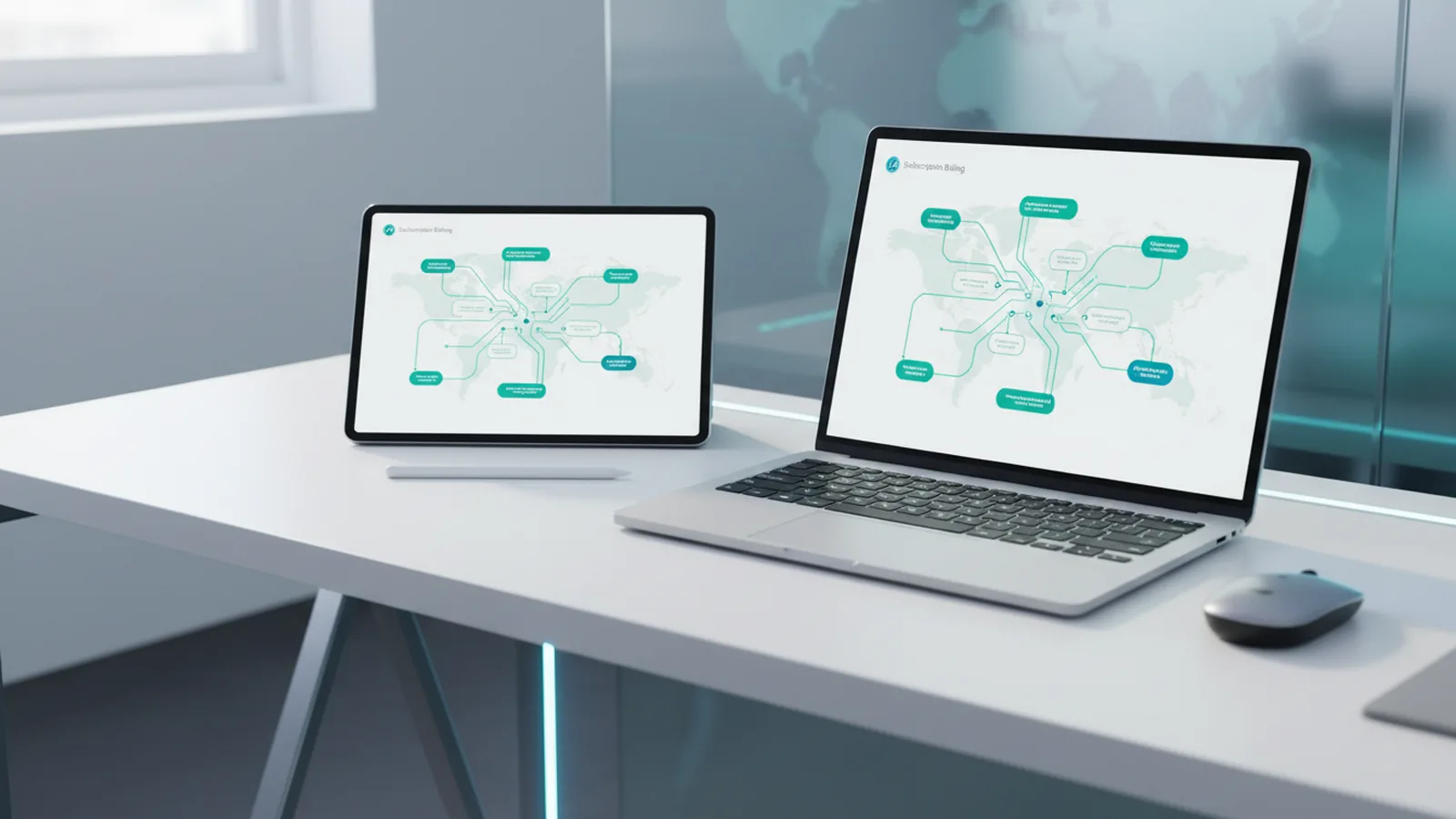
SaaS payment solutions are the stack of capabilities that let subscriptions get paid reliably - monthly, annually, usage-based, and via local payment methods. In practice, that means you’re not just choosing a single product; you’re assembling a payment gateway, payment processing, and ongoing payment operations that fit your billing model.
For most SaaS teams, the critical requirement is consistency: customers should be able to start a trial, subscribe successfully, and manage renewals without payment failures that harm retention. The payment side also needs to support upgrades, downgrades, add-ons, refunds, and tax or invoice requirements depending on your regions and contract terms.
Because SaaS buyers often span multiple countries, you’ll also need flexibility for local payment methods, currencies, and regional compliance. A good SaaS payment solution is designed to reduce integration complexity while maintaining control over transaction outcomes, customer experience, and reporting.
SaaS payment gateway vs. payment processing: key differences
People often use “saas payment gateway” and “saas payment processing” interchangeably, but they solve different problems. A payment gateway is typically the integration layer between your app and the payment networks/PSPs. It handles request formatting, tokenization, secure customer payment details, and routing to the right processing endpoints.
SaaS payment processing is the backend function that actually moves money and returns the results. That includes authorization, capture, settlement, refunds, chargeback handling workflows, and event reporting for your billing system. When you’re searching for payment processing for saas, you want a provider that can support subscription lifecycles and the edge cases that come with recurring billing.
Here’s a simple way to think about it when evaluating a saas payment platform: the gateway helps you securely collect and initiate payments, while processing ensures the money movement and operational reliability for every transaction type.
| Component | What it does | Why it matters for SaaS |
|---|---|---|
| SaaS payment gateway | Secure integration, tokenization, payment routing, API/webhook interface | Speeds up checkout and subscriptions, reduces PCI scope, improves success rates |
| SaaS payment processing | Authorization, capture/settlement, refunds, dispute workflows, reporting | Ensures renewals, upgrades, and refunds behave predictably across regions |
| SaaS payment system / software | End-to-end orchestration for billing events, retries, reconciliation, dashboards | Creates consistent payment operations tied to invoices and subscription state |
Designing payment saas for subscriptions, trials, and usage
Subscription payments are where payment processing saas must be robust. Your system needs to manage the full lifecycle: trial start, initial charge, recurring renewal, proration for plan changes, and graceful handling when a renewal fails. The key is mapping payment outcomes to your SaaS state machine so your product behaves correctly after payment events.
Usage-based billing adds another layer. You may capture payments based on metered usage, overage thresholds, or invoice batches. When evaluating saas payment processing services, ask how they support delayed capture, partial refunds, and reconciliation between usage reports and financial transactions.
Reliability matters as much as coverage. Look for features like idempotency controls, retry strategies, and standardized webhooks/events so your billing system doesn’t create duplicate charges or get out of sync during network issues.
- Recurring renewals: confirm how payment failures are surfaced and how long retries occur
- Plan changes: check proration behavior and whether refunds/credits are supported cleanly
- Usage and invoices: confirm support for metered payments, batching, and dispute-safe reporting
- Customer self-service: verify how customers update payment methods without disrupting subscriptions
Local payment methods and global reach
For many SaaS products, the best growth lever is expanding payment acceptance by region. A saas payment solution that supports local payment methods reduces friction and increases conversion, especially where card usage is lower or where buyers prefer country-specific options.
When you compare saas payment processor options, focus on which payment methods are available in each target country and how consistently they perform. It’s not enough to list methods; you need to understand authorization rates, settlement timelines, and whether the provider offers localized routing.
Global scaling also depends on reporting and operational visibility. Look for standardized transaction events, consolidated dashboards, and reconciliation support so your finance team can close books efficiently across currencies and payment methods.
Tip: Build acceptance strategy around your highest-value countries first, then expand based on authorization performance - not only method availability.
Risk, compliance, and chargeback readiness
SaaS payment processing must be secure and resilient, but it also needs practical risk controls. Fraud screening, 3D Secure flows, and smart routing can all reduce avoidable declines while protecting you from abuse. The best saas payment gateway options typically offer configurable risk signals and allow you to tune settings based on your customer mix.
Chargebacks and disputes are inevitable for subscription businesses. You’ll want clear workflows for evidence collection, consistent metadata across transactions, and webhooks that help you update subscription status responsibly. If you can’t map disputes to customers and invoices quickly, your support and finance teams will pay the price.
Since SaaS platforms often operate across regions, think about how risk tools behave per payment method. Some controls vary by card networks or local payment schemes, so evaluate how your provider supports both coverage and operational transparency.
How to choose the best saas payment gateway for your product
Choosing a saas payment platform is less about brand names and more about fit. Start with your integration needs: API patterns, webhook reliability, tokenization approach, and how quickly you can onboard new payment methods. Then align it with your billing model, including proration, refunds, and how you reconcile credits and invoices.
Next, evaluate operational maturity. Ask about settlement timing, failure handling, retry logic, idempotency, and whether they support event replay or robust status transitions. A saas payment processing services provider should help you avoid “edge-case outages” where payment events arrive late or in unexpected order.
Finally, consider the growth path. Can the saas payment processing you select scale from a pilot to global volumes without re-architecture? If you’re planning to add new countries or payment methods, confirm how quickly they can expand acceptance and how the financial ops layer adapts.
- Document your billing events: map what your system must do for renewals, proration, retries, and refunds
- Validate payment method coverage: check target countries, local methods, and expected authorization behavior
- Test webhook and reconciliation: run end-to-end tests for success, decline, refund, and dispute flows
- Review risk tooling: confirm fraud screening, authentication support, and dispute workflows
- Plan rollout safely: pilot with a limited cohort and monitor metrics before full launch
Common pitfalls in payment processing saas integrations
Even experienced engineering teams run into recurring billing issues when payment processing saas doesn’t match the product workflow. One frequent pitfall is assuming payment success equals subscription status - without properly handling pending, canceled, or reversed transactions. Another issue is missing idempotency, which can lead to duplicate charges when retries happen during network failures.
Integration gaps can also show up during customer payment method updates. If token or payment method replacement isn’t handled carefully, renewals may fail or your billing system might reference outdated tokens. When assessing a saas payment software, check for support of payment method updates and clean customer account mapping.
Lastly, teams sometimes underestimate operational requirements like finance reconciliation and dispute management. If you can’t tie transactions to invoices and subscription records consistently, you’ll spend more time on exceptions than on product improvements.
| Pitfall | What goes wrong | What to do instead |
|---|---|---|
| Bad state mapping | Product shows active while payments are pending or reversed | Use a defined event-to-state model and handle all webhook statuses |
| Duplicate attempts | Customer gets charged twice after retries | Enable idempotency and store request identifiers |
| Refund ambiguity | Credits don’t reconcile with invoices | Track refund and credit metadata consistently across events |
| Dispute blind spots | Support can’t provide evidence quickly | Maintain transaction metadata and invoice references for disputes |
Recommended implementation workflow for a SaaS payment system
A practical rollout reduces risk while keeping time-to-market predictable. Begin by establishing a payment event contract between your billing system and the saas payment processor: which events you consume, how you order them, and what you do when events arrive late or fail verification. Then build a test plan that mirrors your real subscription flows.
Next, implement monitoring that links product KPIs to payment outcomes. Track authorization success rates by payment method and country, renewal failure reasons, refund volumes, and dispute rates. This helps you tune configurations and decide when to add new payment processing options or local payment methods.
Finally, formalize operational playbooks. Your team should know how to respond to spikes in declines, how to handle webhook outages, and how to coordinate between support, engineering, and finance when issues affect subscription status.
- Event contract: define how you handle success, failure, refund, and dispute events
- Test suite: simulate trials, renewals, proration, payment method updates, and refunds
- Monitoring: wire alerts to payment failure reasons and reconciliation mismatches
- Ops playbook: document incident response and customer communication paths
Frequently asked questions
What is a SaaS payment gateway used for?
A SaaS payment gateway is the integration layer that securely initiates payments and supports tokenization and routing. It connects your app’s checkout and billing system to the underlying payment networks and providers.
What’s the difference between SaaS payment processing and payment processing for SaaS?
SaaS payment processing refers to the backend handling of authorizations, settlements, refunds, and dispute workflows. “Payment processing for SaaS” emphasizes that these capabilities are built to support recurring billing, proration, and subscription lifecycles.
How do SaaS payment platforms handle subscriptions and renewals?
A SaaS payment platform ties payment events to subscription states through reliable APIs and webhooks. It should support renewals, retries, upgrades/downgrades, proration, and clean refund or credit flows.
What should I look for in saas payment processing services?
Look for reliable webhook delivery, idempotency controls, robust reporting and reconciliation, and consistent handling of declines and refunds. Also confirm support for the payment methods you need in your target regions.
What does “best SaaS payment gateway” mean in practice?
The best SaaS payment gateway is the one that fits your billing model, supports your target countries and local methods, and reduces integration and operational risk. Evaluate performance and operational features, not just the list of accepted payment types.
How can a SaaS payment system reduce chargebacks and payment failures?
Risk tooling like fraud screening and authentication support can reduce avoidable declines and abuse. Just as important, you’ll need clear dispute workflows and accurate transaction metadata to respond effectively.
Related Articles
Global Payment Gateways — How to Compare Your Options
Compare global gateways by market reach, payment methods, fees, and fit.

Choose a Payment Processor That Fits Your Small Business
Compare fees, features, and support to find a processor that fits your business.

Understand Recurring Payments — How They Work for Businesses
See how recurring billing works, what it costs, and how to manage its risks.