
What Is a Credit Card Processor? Tokenization, Gateways & Terminals
Introduction to credit card processing
So, what is a credit card processor? It is a provider that helps businesses accept electronic card payments. It moves payment requests and replies between your checkout and the banking side. It also helps manage credit card processing steps so transactions can be approved and paid out.
Many owners mix up the terms. A processor is not the only piece you may need. You might also use a merchant account, a payment gateway, and card network rules. Understanding credit card processing helps you pick tools that match your sales channels.
Also, credit card processing covers more than “getting paid.” It includes transaction authorization, dispute handling signals, and payout support. Your setup should make these flows predictable, with clear reporting and fewer surprises.
If you run online checkout, you usually need a credit card gateway too. If you run in-store sales, you also need a credit card terminal. Some providers bundle many parts into one merchant services provider.

Key players in credit card transactions
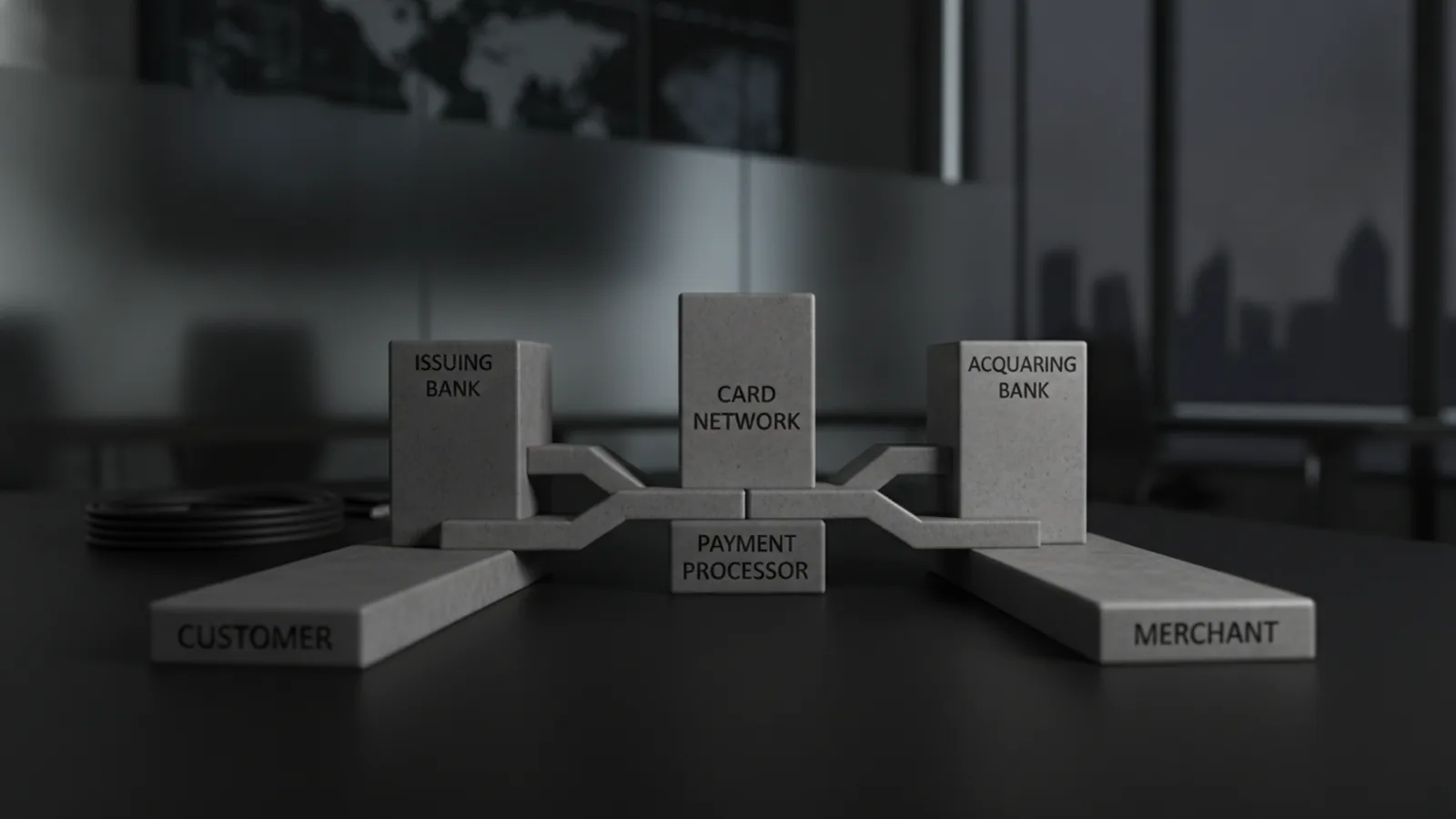
Let’s define the roles in credit card transactions. A credit card payment system usually has five main parties. Each party has a specific job in the credit card process.
First, the cardholder is the person paying with a credit or debit card. Next, the merchant is your business that accepts the payment. Then, the issuing bank is the cardholder’s bank that approves or declines.
On the other side, the acquiring bank supports the merchant side. It connects merchants to the broader card network rules and funding rails. Between them, the payment processor routes the messages and helps the transaction complete end to end.
- Cardholder: enters card data and initiates the payment.
- Merchant: captures the purchase and sends a payment request.
- Issuing bank: checks account status and risk rules.
- Acquiring bank: supports merchant acceptance and funding.
- Payment processor: routes requests and replies across parties.
In practice, many businesses work with a PSP (payments service provider). The PSP can cover parts of these roles. But the underlying roles still describe the real flow of credit processing.
How credit card processing works (authorization, clearing, settlement)
Credit card processing consists of three main phases. The credit card processing steps are authorization, clearing, and settlement. These phases are usually run by a mix of your processor, gateway, banks, and card networks.
Authorization is the first phase. The processor sends an approval request to the issuing bank. The issuing bank then returns an approve or decline response.
Authorization does not mean money is fully transferred to your bank. It means the payment is approved for this attempt. The actual funding comes later through clearing and settlement.
Clearing comes next. It groups approved transactions and exchanges batch totals between banks. This is where the “accounting” side starts to line up.
Settlement is the final step. Settlement moves the money based on batch totals. Your merchant account is credited minus agreed fees.
| Phase | What happens | Typical timing |
|---|---|---|
| Authorization | Issuing bank checks and returns approve or decline | Seconds |
| Clearing | Banks exchange totals for the batch | Hours to days |
| Settlement | Money is transferred to your merchant account | About 1 to several days |
For operational accuracy, pay attention to timeouts. If your system loses the response, you must confirm the final status. Some gateways provide a status check so you avoid duplicate captures.
Declines also matter. Tracking decline codes helps you tune your checkout and fraud checks. That is part of understanding credit card processing beyond the basics.

Types of credit card processor types
Credit card processor types shape how you integrate and manage data. The most common split is front-end vs back-end. These differences affect which systems handle real-time checks and which handle later batch work.
A front-end processor sits closer to checkout. It handles real-time transaction authorization requests. It may also support token creation for future purchases.
A back-end processor focuses on later work. It supports clearing and settlement accounting. It can also help with payout reconciliation and some reporting needs.
Some providers act as full-stack merchant services. They combine gateway features and processing. They may also help with token tools and dispute signals, depending on the contract.
- Front-end processor: fast authorization and real-time responses.
- Back-end processor: batch work, payouts, and matching.
- Full-stack provider: bundles gateway, processing, and often tokenization.
If you are asking what is a credit processor, this is usually what people mean. It is the role that helps process payments electronically. In many contracts, “processor” describes the service running the credit card processing steps.
To choose well, map your sales channel first. In-store flow needs terminal support. Online flow needs a gateway and secure payment handling. Then compare how each processor type fits your stack.
Understanding payment gateways and credit card terminals
Now, what is a credit card gateway? A credit card payment gateway is the layer that moves transaction data between your checkout and the processor. It also helps protect data in transit. This is often where encryption, vaulting links, and secure routing happen.
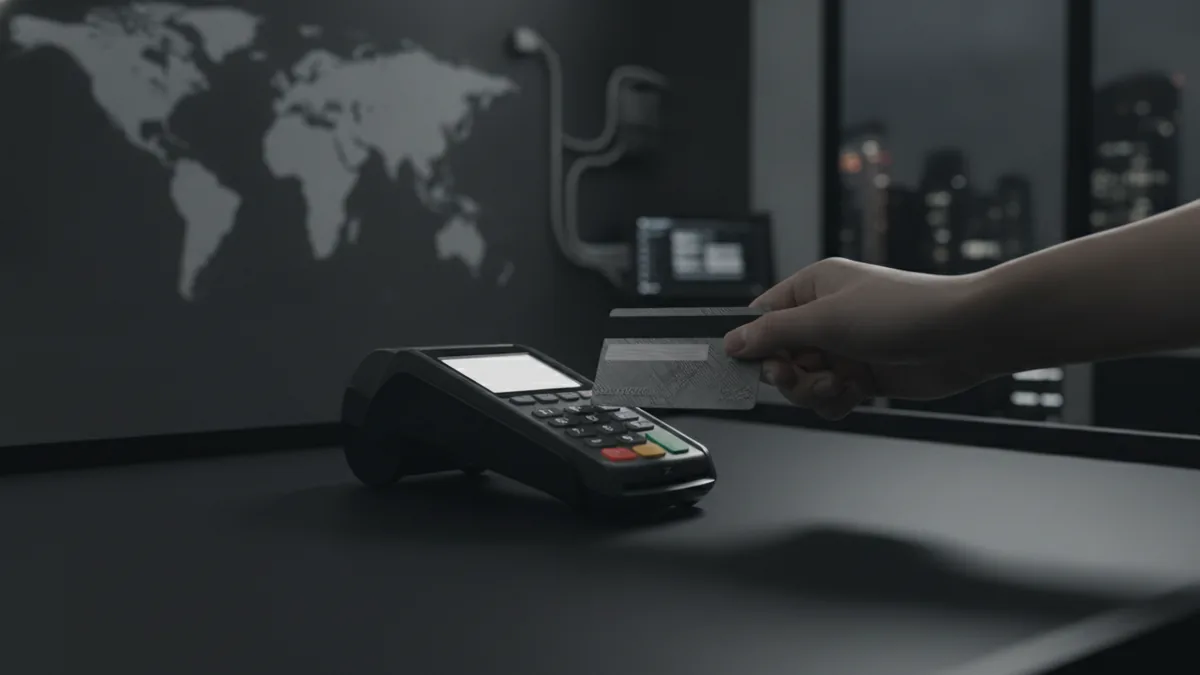
What is credit card terminal? A credit card terminal is the in-store device used to read cards. It captures card data and sends an authorization request. It then shows the result to the cashier or store system.
If you are thinking about the easiest way to accept credit card payments, start with your channel. For online, the simplest path is usually a hosted checkout or a gateway-led integration. For in-store, it is usually a terminal bundle with a provider that supports your country.
You will also hear about credit card tokenization. Tokenization replaces sensitive card data with a non-sensitive token. This reduces the need to store raw card numbers in your systems. Many gateways support tokenization so repeat buys can be smoother and safer.
Mobile payment acceptance may use similar building blocks. Often, a gateway handles secure token flows. A terminal or mobile reader supports the front-end card read and device checks.
Some providers also mention specific products. If you see “what is adyen payment,” think of it as a payments platform used by merchants worldwide. If you see “what is adyen credit card,” it is usually shorthand for the way their system supports card acceptance flows. For “what is cayan credit card,” it typically refers to card acceptance offered through Cayan-branded processing services, depending on region. Always confirm the exact contract scope for your use case.
Finally, “what is a credit card payment system” can be a broad way to say all these parts together. It includes gateways, terminals, processors, banks, and network rules. A good setup makes those parts work as one experience for the buyer.
Fees and costs of credit card processing
When people ask about costs, they often mean pricing models. Costs include interchange fees, transaction fees, and service provider fees. The exact mix depends on your processor contract and your processing route.
Interchange fees are set based on the card type and risk rules. They are one of the largest cost lines in most merchant statements. Transaction fees are charged per payment or per activity, depending on the setup.
Service provider fees are what your processor or PSP charges for the service. These can include monthly fees, gateway fees, chargeback handling, or support fees. Some providers offer transparent pricing, while others bundle components into a single rate.
- Interchange fees: driven by card and issuing bank rules.
- Transaction fees: per authorization, per capture, or per volume tiers.
- Service provider fees: gateway access, support, and program fees.
Request a fee breakdown before you sign. Ask which parts are included in the rate and which are added later. That reduces the chance you misunderstand credit card processing fees in month two.
Conclusion and choosing the right processor
So, what is credit card tokenization in the bigger picture? It is a security tool that helps you process cards with less exposure to raw data. It fits naturally into gateway-led flows and repeat purchase needs.
What is a credit card payment gateway and what is a credit card terminal? The gateway usually powers online data transfer. The terminal powers in-store reads. Your needs depend on where you sell.
And what is the procedure of credit card, or what is the procedure of credit card processing? It is not one action. It is the three-phase credit card process: authorization, clearing, and settlement. Then the money reaches your merchant account with fees applied.
When you choose a provider, focus on your channel fit and your integration effort. If you want the easiest way to accept credit card payments, choose a setup that reduces moving parts. Make sure the processor, gateway, and terminal support your markets and sales flow.
Frequently asked questions
What is a credit card processor and what does it do?
A credit card processor helps businesses accept card payments. It routes approval requests and responses between your checkout and the banking side.
What is credit card processing in simple terms?
It is the step-by-step flow that makes a card purchase happen. First comes authorization, then clearing, then settlement.
What is a credit card gateway versus a credit card terminal?
A gateway moves secure payment data for online checkout. A terminal is the in-store device that reads the card and starts authorization.
What is credit card tokenization and why does it matter?
Tokenization replaces raw card data with a token. It can lower risk and support smoother repeat payments.
What is the easiest way to accept credit card payments?
Choose a gateway-led setup for online sales or a terminal bundle for in-store sales. Then confirm that your processor and bank support your region and pricing model.
What is adyen payment or cayan credit card?
They are provider brands for card acceptance services. Your exact scope depends on your contract, including gateway, processing, and terminal support.
Related Articles
Global Payment Gateways — How to Compare Your Options
Compare global gateways by market reach, payment methods, fees, and fit.

Choose a Payment Processor That Fits Your Small Business
Compare fees, features, and support to find a processor that fits your business.

Understand Recurring Payments — How They Work for Businesses
See how recurring billing works, what it costs, and how to manage its risks.