
Tokenization in Payments: Definition, Benefits, and Use Cases
What is tokenization in payments?
Tokenization in payments replaces secret card data with safer token values. Those tokens stand in for card numbers. Your systems use tokens during payment processing, not raw card data.
Instead of storing a credit card number, your app stores a token. The token is random and has no clear link back to the card. So it cannot be guessed from the token.
This helps payment security in two ways. First, a data breach yields less useful data. Second, fraud attempts often fail because real card data is missing.
- Real card numbers do not sit in merchant databases.
- Tokens are sent in place of the card number.
- Token maps stay in a secure token service vault.
How tokenization works end to end
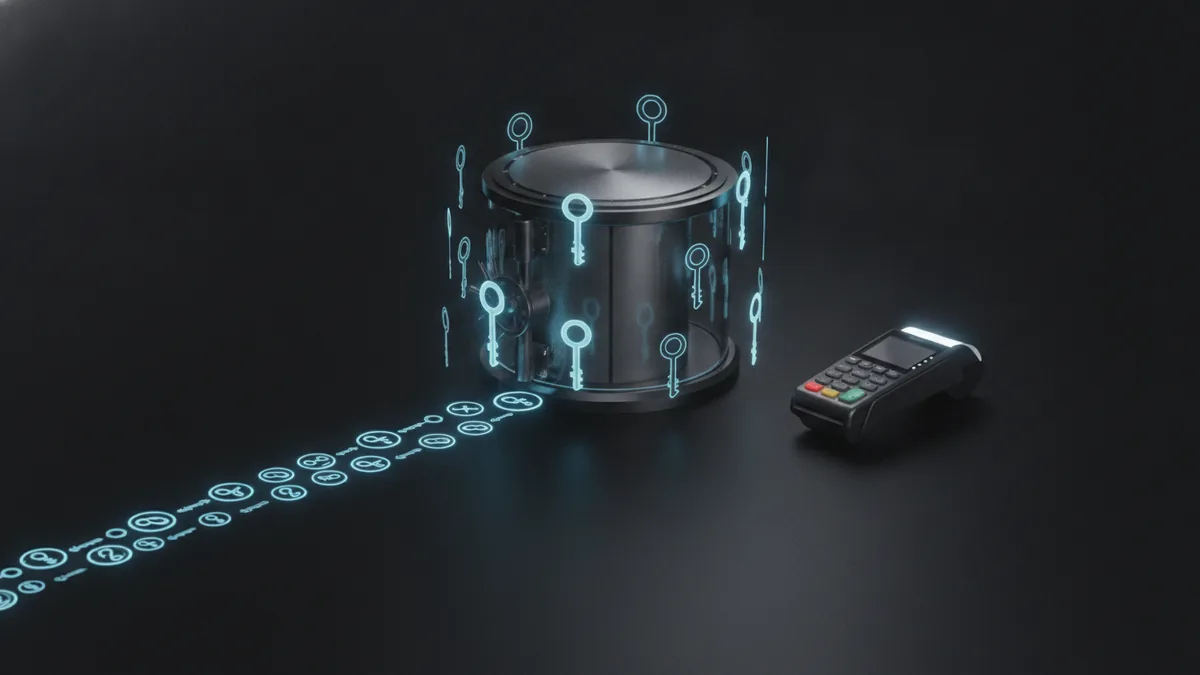
Tokenization payment processing uses a token service plus a secure vault. A token service makes tokens for each card or debit account. A vault keeps the link between token and real data.
When a customer pays, your checkout or POS calls the token service. Your system sends card data for token creation. The token service returns a token to your system.
Your app then stores only the token value. It also sends that token to the payment processor. The processor asks the token service to resolve the token.
This keeps the real card data off your servers. It also limits data spread during payment steps. Your teams can focus on token handling and access control.
It helps to compare encryption vs tokenization. Encryption hides data, but you still store it. Tokenization swaps the data for a useless placeholder outside the vault.
- Your app sends card data to a token service.
- The service creates a unique token for that use.
- Your app stores the token, not the card data.
- The payment flow sends the token to the processor.
Types of tokenization technologies
Tokenization tools differ in where tokens are made. Some flows tokenize right at the start. Others tokenize inside a payment platform layer.
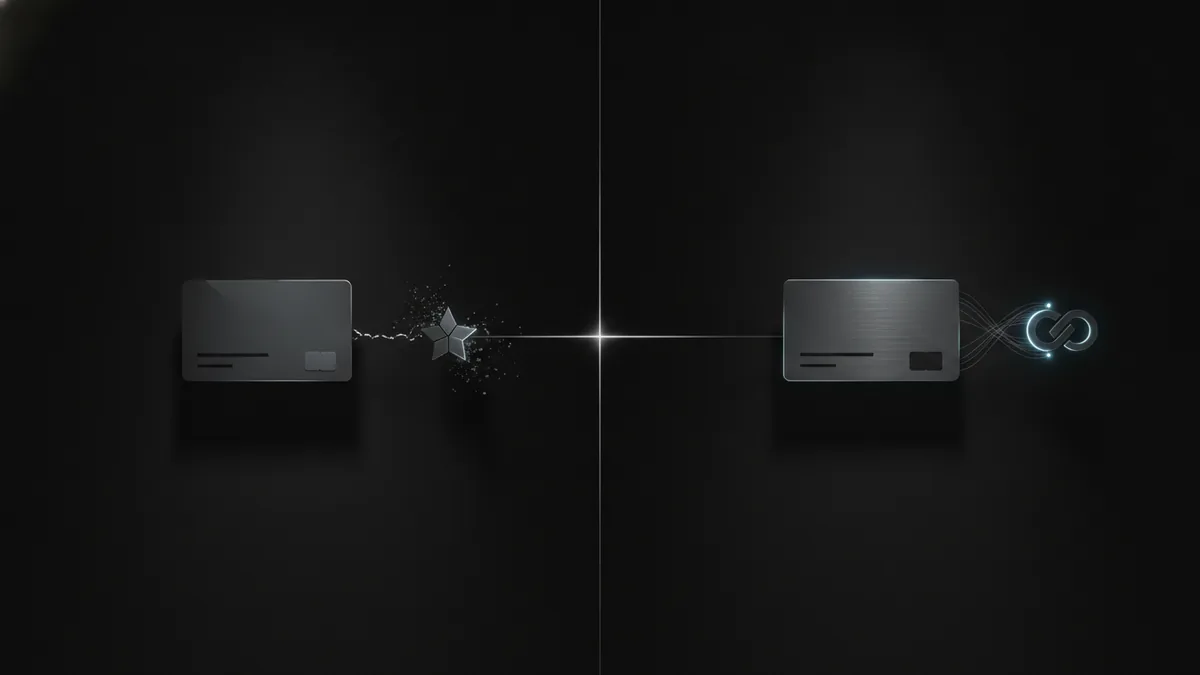
Most setups use two token types. A single-use token works for one transaction only. It is best for one-time checkout and quick authorizations.
A multi-use token lasts across many payments. It is a fit for recurring billing and saved payment methods. It also reduces how often you ask for card details.
These token types matter for what is tokenization in debit card payments. Debit flows can still use the same model. The token stands in for the debit account details.
| Token type | Best use | Token behavior |
|---|---|---|
| Single-use token | One payment | Rotates or expires fast |
| Multi-use token | Recurring billing | Stays valid for repeat charges |
You will also see token flows in mobile payments. What is tokenization in mobile payments? It is token use in a wallet flow. It helps keep raw card numbers out of the app.
For many teams, the key choice is token life. Decide how long tokens stay valid. Then match that rule to your checkout and billing logic.
Benefits of tokenization in payments
Tokenization lowers the value of stolen data. If attackers get token values, they still cannot use them as card data. The token service must map them back in a vault.
This supports data breach prevention. It also reduces fraud impact in common attacks. Many fraud plays need usable card numbers to work.
Tokenization also reduces day-to-day risk for teams. Your database holds tokens, not full card data. So audits, access reviews, and logs can focus on safer data paths.
Customer data protection improves too. When you support saved payments, you store tokens. Customers still get a smooth flow without sending full card data each time.
- Less usable data in a breach.
- Fewer fraud gains from stolen records.
- Clearer data handling in payment systems.
- Safer storage for saved payments.
Tokenization and PCI compliance
What is pci tokenization? It is token use to reduce PCI DSS scope. PCI DSS is a set of rules for card data safety. Scope depends on where card data is stored or used.
If you only store tokens, your card data exposure drops. That can shrink the systems you must secure under PCI DSS. In many cases, this also cuts audit effort.
Still, you must protect token systems. You need strong access control for token calls. You also need safe logs and safe retry rules.
Tokenization in payment systems changes where real data lives. Real card data stays in the secure vault. Tokens travel through your flows instead.
That is why it supports PCI DSS compliance. Your merchant tools do less “card data work” overall. You focus on token paths and secure interfaces.
- Tokens replace stored card numbers.
- Real card data stays in the vault.
- PCI DSS scope can shrink for merchants.
- Token service paths still need good security.
For primary rule text, see the PCI DSS documentation library. It is the official source for PCI materials.
Use cases for tokenization in businesses
Tokenization fits many payment channels. In e-commerce, it can power checkout and saved cards. It also helps with recurring billing by reusing a token.
In brick-and-mortar stores, token use can support card-on-file tasks. It can also help with faster replays for approvals. Your systems still avoid storing real card numbers.
Multi-use tokens are key for subscriptions. They let you charge again without re-collecting the full card number. The next charge uses the same token in payment processing.
Tokenization payment on debit card can follow the same design. The token stands in for debit account details. The vault keeps the link to the real debit data.
What is tokenization in mobile payments? It is token use in digital wallet flows. It helps keep card data out of the phone app. It also supports customer trust and safer mobile payments.
| Scenario | What tokenization improves | Common token choice |
|---|---|---|
| Online checkout | Less sensitive data in your stack | Single-use tokens |
| Recurring billing | Reuse without re-asking for card data | Multi-use tokens |
| Saved payment methods | Safer storage across sessions | Multi-use tokens |
| Digital wallets | Better trust and safer data flows | Wallet token flows |
Challenges and considerations before you adopt tokenization
Tokenization is a strong tool, but it has limits. Your risk shifts from card storage to token use. So you still need good design and testing.
First, learn token life rules. Single-use tokens may expire after one step. Multi-use tokens need clear revoke and update rules.
If your code assumes tokens never change, you can break payment processing. You may also create support issues. So plan for token refresh events.
Second, plan for service issues. If the token service is down, some payments may fail. You will need clear error steps that do not expose card data.
Third, integrate with your tokenization payment gateway carefully. Confirm how auth, capture, refunds, and chargebacks work. Also confirm how your team stores token IDs for support.
Fourth, do not mix up encryption vs tokenization roles. Many teams do both. Use encryption for safe travel and tokenization for safe storage and use.
Finally, update reconciliation and reporting. Your team may see token IDs, not card numbers. Train support and finance teams on how to interpret those values.
- Map each payment flow step you will run.
- Pick single-use or multi-use tokens per feature.
- Set retry and fallback rules for token calls.
- Update support tools for token ID based workflows.
Bottom line
Tokenization is a practical payment security method. It swaps card data for tokens that cannot be reverse-engineered. It reduces the value of data breaches and helps stop basic fraud.
With a token service, tokens get made securely. The service stores the mapping in a vault. Your systems then do tokenization payment processing using tokens only.
Tokenization also supports PCI DSS compliance by shrinking scope. But you still must secure token calls and token paths. Plan token lifetimes, integrate cleanly, and test all payment steps.
Done well, tokenization helps many business types. It works for e-commerce, stores, subscriptions, and digital wallets. It also builds customer trust by keeping card data safer.
Frequently asked questions
What is tokenization in payments, in plain terms?
Tokenization swaps real card numbers for random tokens. Payments use the token instead of the card data in merchant systems.
What is card tokenization?
Card tokenization is tokenization for card credentials. The token stands in for the card number during payment processing.
What is pci tokenization and how does it help PCI DSS compliance?
It refers to using tokenization to reduce where cardholder data exists in your systems. This can shrink PCI DSS scope, while you still protect token interfaces.
How does tokenization payment processing work with a token service?
Your system sends sensitive data to a token service. The service returns a token and stores the mapping securely in a vault.
What is tokenization in mobile payments?
It is tokenization used in digital wallet flows. Wallets can help prevent raw card numbers from reaching merchant apps.
What are the main challenges when you integrate a tokenization payment gateway?
You must handle token lifecycles, service outages, and reconciliation. Your refund and recurring billing logic must match token behavior.
Related Articles
Global Payment Gateways — How to Compare Your Options
Compare global gateways by market reach, payment methods, fees, and fit.

Choose a Payment Processor That Fits Your Small Business
Compare fees, features, and support to find a processor that fits your business.

Understand Recurring Payments — How They Work for Businesses
See how recurring billing works, what it costs, and how to manage its risks.