
Lockbox Payment Processing: What It Is, How It Works, and Benefits
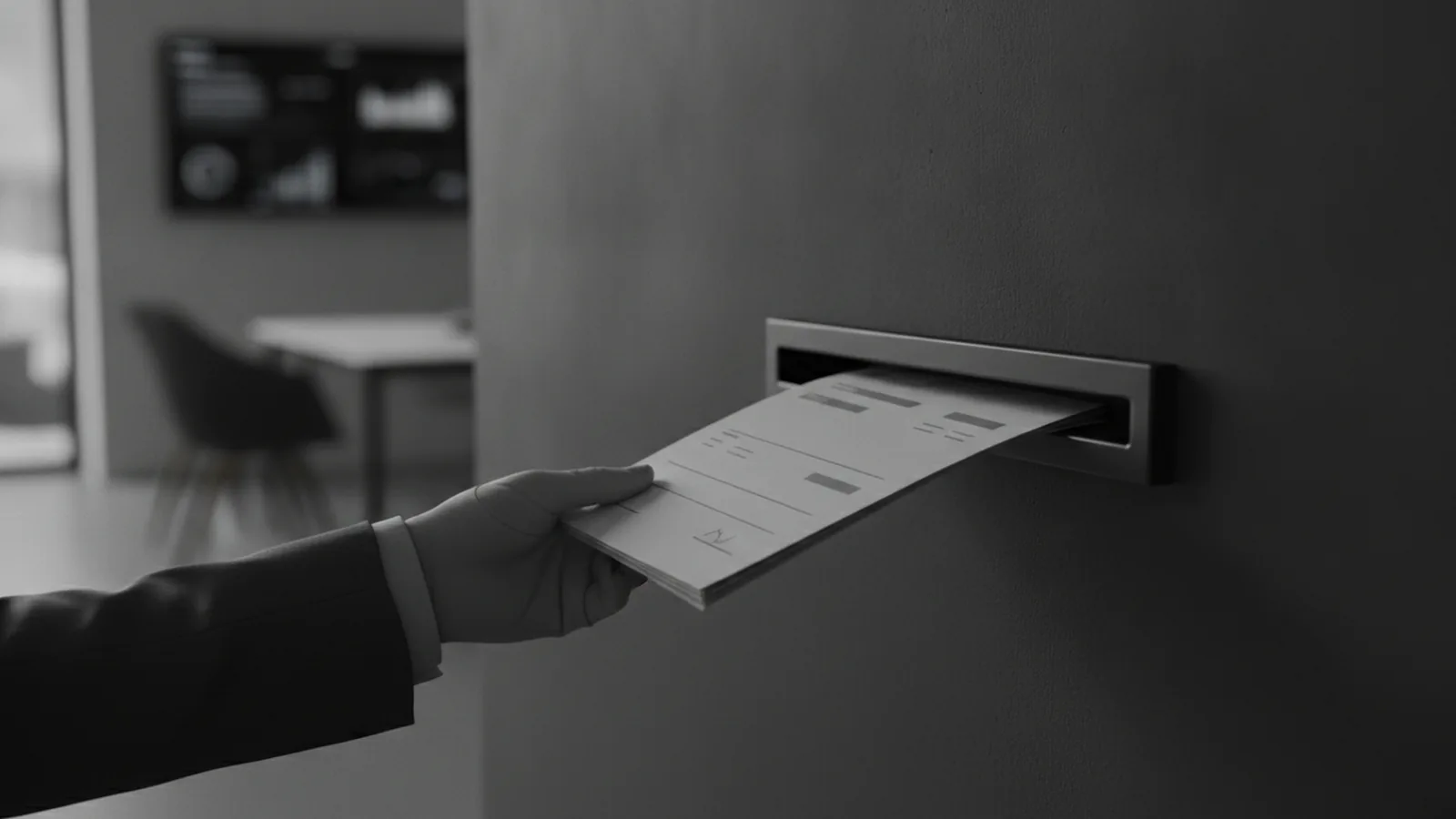
What lockbox payment processing is
Lockbox payment processing lets customers mail checks to a safe bank P.O. box. Your bank then handles the mail and the deposit. Your team gets payment data for easier matching.
This is what is lockbox payment processing. Checks do not go to your office first. They go to a secure lockbox set up by your bank.
That change can help your cash flow. Mail often sits before staff touch it. With lockbox, the first step moves to the bank.
It also reduces payment processing grunt work. Less time on sorting means more time on real work. It supports financial management with clearer payment status.
- Customers mail checks to a bank P.O. box
- The bank processes checks and deposits funds
- You get payment details for your records
How lockbox payment processing works
How lockbox payment processing works is a simple flow. You pick a lockbox address for your bills. You share that address on invoices for check payments.
Next, the bank gathers the mail each day. They open the envelopes and pull out each check. They also read the remittance note with payment info.
Then the bank deposits money into your business account. Deposits happen fast because the bank runs this step. You do not wait for internal check handling.
After deposit, you receive reports with payment data. Your team uses that data for accounts receivable work. Many teams use software to match payments to open invoices.
Example: if checks arrive on Tuesday, you may see deposits by Wednesday. Your old path might delay action until Friday. That gap can matter for tight cash cycles.
| Stage | What happens |
|---|---|
| Mail receipt | Checks land in the bank lockbox |
| Check work | Bank captures payment and note data |
| Deposit | Bank sends funds to your account |
| Reports | Payment data helps your matching |

Types of lockbox payment services
Lockbox payment processing services come in several types. The right type fits your check mix and bill style. It can also match how clear your remittance info is.
Many programs use three labels. Wholesale, retail, and wholetail are common. Each one aims at a different pattern of payments.
Wholesale lockbox
A wholesale lockbox often fits fewer payers and bigger checks. It can work well when remittance notes are more complex. The goal is strong matching for larger accounts.
Retail lockbox
A retail lockbox often fits many payers and steady volume. It can help when checks follow common bill forms. The bank can process lots of items with low fuss.
Wholetail lockbox
A wholetail lockbox fits mixed payment patterns. You may see both bigger checks and many smaller ones. This type helps when your billing is not one simple shape.
| Type | Best fit | Main gain |
|---|---|---|
| Wholesale | Fewer payers, higher amounts | Better match help |
| Retail | More payers, steady volume | Less mail work |
| Wholetail | Mixed payers and mixes | More fit for your flow |
When you choose lockbox services, check how customers write notes. If notes are messy, matching takes more human time. That can affect your goals for automation.

Benefits of lockbox payment processing
The big benefit is faster cash flow. Lockbox cuts delays tied to mail work. Money can reach your account sooner after it is sent.
A second gain is less admin time. You cut staff effort spent on sorting mail and handling checks. Your team can focus on work that needs judgment.
Another win is better payment view. You get clear reports after deposit. That helps with financial management and cash planning.
Lockbox can also cut fraud risk. Secure mail handling adds control at the start. It can reduce the chance of lost or tampered checks.
- Faster deposits: less wait between mail and money
- Lower effort: fewer hours spent on check mail
- Cleaner records: reports help matching work
- Safer intake: bank steps add security protocols
Costs can apply. Some lockbox programs charge fees per item or per plan. Still, lower labor time can offset fees for many firms.
Tip: compare your old timeline to bank deposit dates. Even a two day speed-up can help. It can also reduce late invoice follow-up work.
Considerations for implementing lockbox services
You should treat lockbox like a change to your process. It touches billing, records, and matching rules. Done well, it boosts business efficiency fast.
Start with billing details. Put the lockbox P.O. box address on every invoice. Also tell customers what to include with checks. For example, use an invoice number on the note line.
Next, set your data needs with the bank. Ask what reports you get after each deposit. Also ask what remittance fields you will receive. This helps your payment processing flow and your reconciliation steps.
Then plan how your team will match payments. If you use a system, check that it can import the bank data. If you match by hand, set clear rules for fixes.
- Update invoice text: show the lockbox address for checks.
- Set note rules: ask customers to write the needed ID.
- Pick report format: choose files your team can use.
- Align matching: update how you mark invoices paid.
- Watch the start: track results for the first billing cycles.
You should also review security controls and error paths. Ask how the bank handles unreadable checks. Ask how they handle missing notes. Clear steps lower risk for payment delays.
Who can benefit from lockbox payment processing
Lockbox helps most when you get regular check payments. It fits when your mail load is steady and your deposits feel slow. It can also help when your team hates repetitive work.
Many invoicing businesses benefit. Think about utilities, service firms, and health billing teams. Any group with many bills and cash needs can gain from faster deposits.
It also helps with better matching. If invoice links are hard to find, bank capture can help. That can improve accounts receivable work and reduce unpaid items.
Small firms can use lockbox too. But you should check your check volume first. If checks are rare, savings may not beat added fees.
For firms focused on automation, lockbox can be a strong base step. You still do review work, but less manual mail work remains. That frees time for customer issues and account checks.
FAQ
What is lockbox payment processing?
Lockbox payment processing sends checks to a secure bank P.O. box. The bank deposits funds and shares payment details. Your team then matches payments to your invoices.
How does lockbox payment processing work?
Customers mail checks to the lockbox address. The bank opens the mail and reads payment notes. Then the bank deposits the funds and sends you reports.
What are the benefits of lockbox payment processing?
It can speed cash flow and cut mail admin time. It can also improve payment data for your records. Some plans also add safety at the payment intake step.
What types of lockbox services are available?
You may see wholesale, retail, and wholetail options. Wholesale often fits bigger checks. Retail often fits high volume checks.
How do we prepare to switch to lockbox services?
Update invoices with the bank lockbox address. Make sure customers include the invoice ID on the check note. Then align your matching steps to the bank reports.
Do lockbox services have transaction fees?
Often, yes. Fees can vary by volume and data needs. Many firms weigh fees against faster cash and lower labor time.
Frequently asked questions
What is lockbox payment processing?
Lockbox payment processing sends checks to a secure bank P.O. box. The bank deposits funds and shares payment details for matching.
How does lockbox payment processing work?
Customers mail checks to the lockbox address. The bank opens mail, reads payment notes, deposits funds, and sends reports.
What types of lockbox payment services are available?
Common types include wholesale, retail, and wholetail. Your choice depends on check volume and how clear remittance notes are.
What benefits can lockbox payment processing provide?
It can speed deposits and reduce mail admin work. It can also improve payment data for faster matching and review.
How do we implement lockbox services without disrupting billing?
Update invoices with the lockbox address and tell customers what IDs to include. Then align your matching rules to the bank reports.
Can lockbox payment services reduce fraud risk?
They can, because the bank controls secure mail receipt and check handling. You still reconcile payments to handle edge cases.
Related Articles

Payment Ecommerce — Methods, Processing and Provider Choice
Compare payment methods, processing steps, provider costs, and checkout security.

Accept ACH Payments — Lower Fees and Easier Bank Transfers
Set up ACH payments, lower fees, and collect bank transfers with less friction.

School Fee Payments — Build a Better Online System
See how schools can make fee payments safer, faster, and easier.