
SEPA Payment Explained: How It Works and How to Send It
What is a SEPA payment (SEPA payment meaning)?
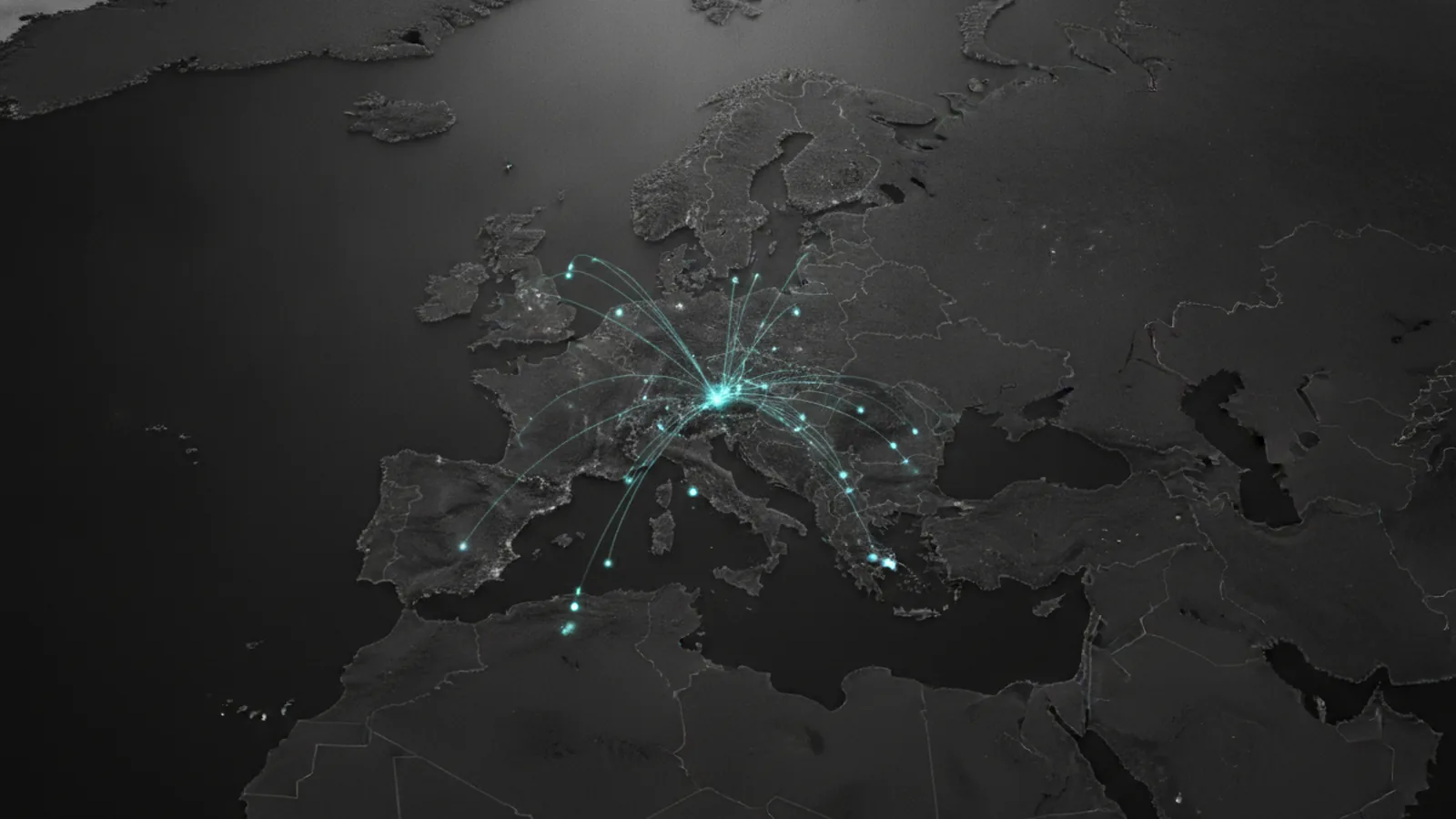
A SEPA payment lets you move money in euros across participating countries using a shared set of rules. If you are wondering what is SEPA payment in plain terms, it is the “Single Euro Payments Area” system for cashless transfers.
SEPA stands for Single Euro Payments Area. It is designed so customers can send money domestically and cross-border with the same experience and, in many cases, similar prices.
In practice, a sepa payment means the recipient gets a euro transfer through the SEPA network. You typically use an IBAN, and you may also provide a BIC.
SEPA is also a big deal for payment sepa use cases like payroll, invoices, and recurring bills. Many businesses prefer it because it reduces friction between countries.

How the SEPA payment system works
The sepa payment system is built around bank-to-bank messaging and settlement rules. When you send a payment, your payment service provider routes it through the right clearing and settlement path.
SEPA is meant to make cross-border payments behave like local ones. That means you follow one common payment format and use shared instruments across the SEPA area.
For most standard credit transfers, settlement typically completes within one business day. The actual timing can vary by cut-off times, but the “next business day” expectation is common.
For the instant service, transfers are designed to complete in under ten seconds. This is the key difference if speed matters for your customer experience.
- Routing: your bank or PSP sends the payment request into the SEPA clearing rails.
- Validation: IBAN fields and payment identifiers are checked before funds move.
- Settlement: balances are updated via participating institutions’ processes.
- Notification: confirmations and receipts are delivered to the payer through their bank.

Types of SEPA payments you can use
SEPA payment instruments fall into three main methods. Knowing the difference helps you choose the right sepa payment method for your use case.
SEPA Credit Transfer is the classic “send money” flow. You provide the recipient details, and the payer’s bank transfers euros to the recipient’s bank.
SEPA Instant Credit Transfer is for speed. It uses the instant rails so the recipient can get funds much faster than a standard transfer.
SEPA Direct Debit is the “pull money” flow for recurring payments. The payer authorizes the collection, and the payer’s bank later debits the account.
| Instrument | Best for | Typical timing |
|---|---|---|
| SEPA Credit Transfer | One-off invoices, payroll, supplier payments | Often within one business day |
| SEPA Instant Credit Transfer | High-priority payments, faster customer refunds | Under ten seconds |
| SEPA Direct Debit | Subscriptions, rent, utilities, recurring bills | Collection timing depends on mandate and bank cut-offs |
Direct debit also has a different risk profile. You need proper mandate handling and strong controls for payment messaging.

Benefits of using SEPA payments
A core benefit of SEPA is that it standardizes euro payments across the region. That means the payment sepa experience feels more consistent for both consumers and businesses.
SEPA also supports smooth cross-border payments. You can send euros from one participating country to another as if the transfer were domestic, using common identifiers.
Transaction costs are often low, especially for euro transfers within the SEPA area. In many cases, payer fees and standard bank charges stay similar to domestic levels.
For businesses, SEPA can simplify reconciliation. When your payment service provider returns structured reference data, you can match payments to invoices more reliably.
- Consistency: use a shared euro payment framework across countries.
- Speed options: instant transfers help when time matters.
- Lower frictions: fewer payment formats and fewer manual checks.
- Better matching: references support payment reconciliation.

How to make a SEPA payment step by step
To how to make a sepa payment successfully, start with correct recipient details. For most cases you need the recipient’s IBAN. Many payments also request the recipient’s BIC, especially for payment set-up and validation.
Next, choose the right instrument. Use SEPA Credit Transfer for standard “send” transactions. Use SEPA Instant Credit Transfer if you need under-ten-second completion.
For recurring collections, use SEPA Direct Debit. In that flow, you also need mandate data and authorization records, not just the account identifiers.
Finally, submit the payment via your bank or a payment service provider. PSPs often offer APIs and dashboards that make it easier to format requests consistently.
- Collect recipient details: ask for their IBAN, and confirm the BIC if your PSP requires it.
- Select the SEPA instrument: decide between Credit Transfer, Instant, or Direct Debit.
- Enter payment info: add amount, currency (euros), and a clear reference for matching.
- Submit the transfer: send it through your bank channel or SEPA-capable payment integration.
- Track status: review confirmations and reconcile the reference against your records.
If you run a platform, you may also use a pay by sepa payment gateway. A gateway typically sits between your checkout and local payment rails, handling formatting and routing via a PSP. Your team still controls customer inputs, reference rules, and fraud or risk checks.
From a compliance view, SEPA operates under a broader regulatory framework for SEPA that sets standards for messaging and responsibilities. Payment service providers help implement these rules so you do not need to build everything from scratch.
Countries participating in SEPA
SEPA covers the EU member states and additional countries that participate in the arrangement. This also includes parts of the European Economic Area (EEA), plus other participating states.
By 2025, the SEPA scheme covers 41 countries in total. That includes both EU and non-EU members, so you can often reach more destinations than you might expect from an “EU-only” view.
Because participation and scheme rules can change over time, always verify your specific corridor with your PSP. Some corridors may be supported via local bank partners even if the coverage is not uniform for every payment instrument.
- Use your PSP’s country list to confirm coverage for Credit Transfer and Direct Debit.
- Check if the instant rail is available for the target country.
- Confirm any required identifiers beyond IBAN for your setup.
If you sell or invoice across borders, corridor checks save time. They also reduce failed payments caused by missing details or unsupported flows.
Common questions about SEPA payments
Is SEPA only for EU countries?
No. SEPA includes EU member states plus several non-EU countries, for a total of 41 participating states by 2025.
What do I need to make a SEPA payment?
You typically need the recipient’s IBAN. You may also need a BIC depending on your bank or payment service provider.
How long does a SEPA credit transfer take?
In many cases it settles within one business day. Timing depends on bank cut-off times and the instrument used.
How fast is SEPA Instant Payment?
It is designed to complete in under ten seconds. You still need to check availability for your specific payer and payee banks.
Are SEPA payments expensive?
For euro transfers within the SEPA area, transaction costs are often low. Your exact fees depend on your bank or PSP and your contract terms.
Which SEPA payment method should I choose?
Use SEPA Credit Transfer for most one-off sends. Use Instant when speed matters, and use Direct Debit for subscriptions and recurring bills.
- Tip: For reconciliation, always use a consistent reference you can map to invoices or tickets.
Frequently asked questions
What is a SEPA payment and what is SEPA payment meaning?
A SEPA payment is a euro cashless transfer using the Single Euro Payments Area rules. It is meant to work for domestic and cross-border transfers with similar steps.
How does the SEPA payment system work?
Your bank or payment service provider routes the instruction through SEPA clearing and settlement rails. Settlement typically completes within one business day for standard credit transfers.
How to make a SEPA payment using IBAN and BIC?
Provide the recipient’s IBAN, and include the BIC when your bank or PSP requests it. Then submit the payment using the right SEPA instrument and a clear payment reference.
What are the types of SEPA payments?
The main instruments are SEPA Credit Transfer, SEPA Instant Credit Transfer, and SEPA Direct Debit. The right choice depends on whether you need speed or recurring collection.
Which countries participate in SEPA?
SEPA includes all EU member states and several non-EU countries. By 2025, the total coverage is 41 participating countries.
Are SEPA payments low cost?
In many cases, SEPA euro transfers have low fees or no extra charge compared with domestic transfers. Your bank or PSP contract determines the exact cost.
Related Articles

Choose a Payment Solution Provider for Your Business
Compare payment providers by fees, features, sales channels, and business needs.

Payment Subscriptions — From Setup to Renewal
Compare subscription models, manage renewals, and fix common payment issues.
Payment Gateways in the USA — Compare Four Leading Options
Compare four leading US gateways by features, fees, security, and business fit.