
Payment Service Provider (PSP): Definition, Examples, and How to Compare
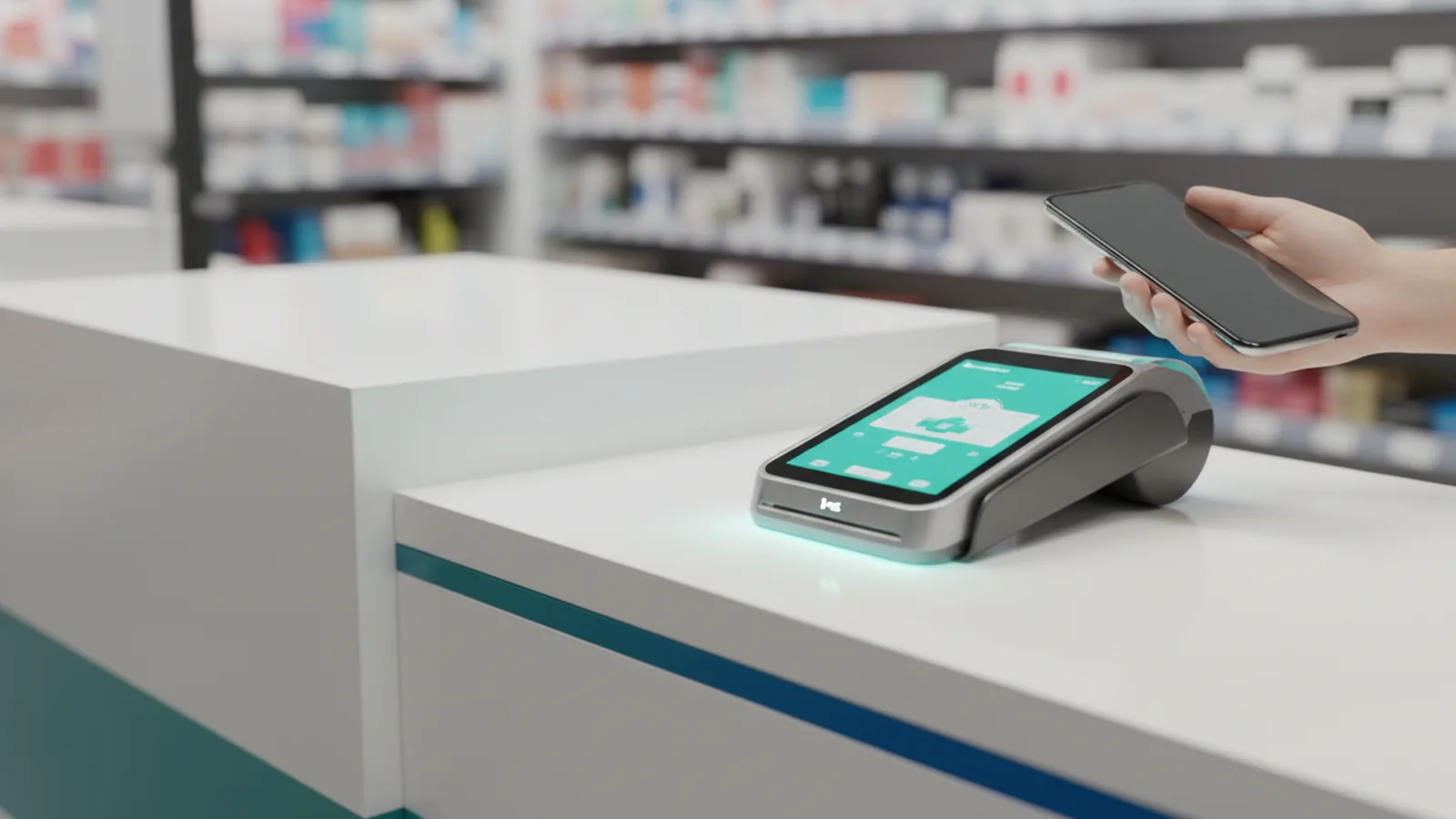
What a payment service provider is (PSP definition)
A payment service provider (PSP) helps businesses take customer payments. It connects the merchant to the payment rails. It also runs key steps like checkout and payment reporting.
Most PSPs give a full payments platform. You plug in once, then accept many payment types. You also get tools for risk checks and safe card storage.
Some people say “merchant service provider” instead. It can mean similar things, but scope may differ. Always check what the provider actually does.
- Payment service provider: runs the tools and links that enable payment acceptance.
- Merchant account: the account used to settle your sales.
- Acquiring bank: the bank that links you to card networks.
Payment service provider vs merchant service provider
A merchant service provider often means the group that supports merchant acquiring. It may bundle the bank link and the checkout tools. Some offers come from banks, and some come from PSPs.
In practice, the labels overlap a lot. A PSP may market itself as a merchant service provider. Still, the key is role coverage in your contract.
Start by mapping each payment step. Who runs auth checks. Who handles disputes. Who sends refund updates and data to your team. Clear roles cut support load.
| Question to ask | Why it matters |
|---|---|
| Who connects you to card or bank networks? | Shows if you buy PSP tools, bank services, or both. |
| Who handles refunds and chargebacks? | Shows who does day-to-day work after payment. |
| Do you get one set of APIs and reports? | Shows if you buy one platform or scattered parts. |
Core responsibilities inside a payment system service provider stack
In most payment flows, a PSP handles the request path. A customer pays through a checkout page or API flow. The PSP sends the payment for approval and updates you.
After approval, settlement moves funds to your setup. The bank and card network handle much of that. Your PSP then sends status events and reporting data.
Many PSPs also use token storage. A payment token is a safe stand-in for card data. It helps you reduce how much raw data you must hold.
- Customer pays: checkout form, redirect, or in-app screen.
- Approval: PSP sends the request for a yes or no.
- Move funds: approved payments settle per your terms.
- After payment: refunds, disputes, and reports update.
Payment token service provider: why tokens matter
A payment token service provider issues payment tokens. These tokens stand in for sensitive payment data. Your system stores the token, not the card number.
Tokens help with repeat buys. They also support saved cards and subscription billing. This can make checkouts faster on return visits.
When you pick a token provider, check token rules. Ask how tokens get made. Ask if tokens can be turned off. Also ask what limits apply to reuse.
- Stored data: token replaces raw card data in your apps.
- Reuse: tokens enable quick repeat charges.
- Controls: revocation and limits block bad use.
PSD2 payment service provider: what changes under PSD2
In the EU, a PSD2 payment service provider must meet PSD2 rules. PSD2 focuses on strong customer checks. It also aims to protect account access and payment flows.
For you, the key impact is checkout flow. Some payments need a step-up check. This can mean a short redirect or app challenge.
When a PSP supports PSD2, ask about failure details. You need clean reasons when a check fails. You also need safe retry steps to avoid extra failures.
| PSD2 topic | What to test |
|---|---|
| Strong customer checks | Do you get clear challenge and result events. |
| Customer flow | Do you reduce bounces and show useful errors. |
| Rule support | Do you get guides and audit-ready logs. |
Crypto payment service and crypto payment service provider
A crypto payment service provider lets merchants take crypto payments. Some setups convert crypto to fiat at pay time. Others settle in crypto and leave conversion to you.
With crypto, you must plan for timing and risk. You need a clear rule for confirmations. You also need a plan for price swings and chain delays.
Compare crypto providers by custody and rule fit. Ask how refunds work for each payment type. Also ask which chains and payment routes are supported.
- Settlement: fiat now or crypto later.
- Chain coverage: which networks and how confirmations count.
- Risk controls: limits, checks, and refund steps.
Payment terminal service provider for in-store payments
A payment terminal service provider supports store card payments. It supplies terminals and helps run live sales. It may also manage links to your shop tools.
For in-store work, uptime matters. You should ask about offline mode support. You should also ask about receipts, sync, and status updates.
Check the roll-out plan too. Who installs the terminal. Who keeps it running. How updates are sent to devices in the field.
- Confirm terminal types and supported pay methods.
- Test offline behavior and retry rules.
- Match the terminal to your POS setup and reports.
- Review service terms for swaps and repairs.
Payment service provider examples and real-world selection criteria
Payment service provider examples vary by region and focus. Some PSPs focus on online checkout with many pay methods. Others focus on bank transfers or firm accounts.
The best payment service provider depends on your needs. Look beyond headline fees. Check approval rates for your buyer type and risk level. Also check settlement speed and fee clarity.
When you sell worldwide, local pay methods matter. A PSP that covers more methods can reduce vendor sprawl. Still, you must confirm dispute rules for each method.
- Method fit: cards, bank pay, wallets, and local rails.
- Approval: how the PSP handles your risk profile.
- Settlement: timing, fee details, and clear reports.
- Integration depth: events, retries, and dispute data.
Payment service provider comparison: a practical framework
A payment service provider comparison should follow the whole payment life. Start with how buyers pay. Then check auth, settlement, and post-pay tasks. Don’t pick only on lowest cost per sale.
Next, score your build risk. Ask if webhooks are stable. Ask if payment states are clear. Test fail cases in a safe sandbox first. Fast debug saves money later.
Then check support and control. Do you get alerts and tools for ops. Do you get a clear support path. Can the PSP add new pay methods without long delays.
| Area | What good looks like |
|---|---|
| Build quality | Idempotency, retry logic, and clear status events. |
| Risk tools | Tunable checks, not a black-box switch. |
| Ops work | Refunds, chargebacks, and clean reporting fields. |
| Global reach | Local pay methods with solid docs and rules. |
How an ISO and fintech agency can help with PSP selection
PSP choice is not only a tech task. It is also a market entry task. An independent ISO and fintech agency can link you with banks, PSPs, and local pay methods.
That helps because the “best” option depends on your market. It also depends on your risk plan and payout needs. A partner can narrow choices and cut wasted trial time.
If you plan a rollout, ask for a clear plan. It should include tests, build steps, and a fallback path. Then your payment service provider psp choice supports delivery.
FAQ: payment service provider questions
What is a payment service provider?
A payment service provider helps businesses accept and process payments. It often gives checkout tools, routing, and transaction reports.
What is a merchant service provider?
A merchant service provider supports merchant payment acceptance and settlement. The scope can vary, so confirm responsibilities for each step.
What is payment token service provider?
A payment token service provider creates tokens that stand in for sensitive data. Tokens support saved payments and reduce what you must store.
What does a PSD2 payment service provider do?
A PSD2 payment service provider helps you meet PSD2 needs. The main impact is strong customer checks during checkout.
What is a crypto payment service?
A crypto payment service lets buyers pay with crypto. It may swap to fiat or settle in crypto based on the setup.
What is a payment terminal service provider?
A payment terminal service provider supports in-store card payments. It helps with terminals, links, and reliable store transaction work.
Frequently asked questions
What is a payment service provider?
A payment service provider helps businesses accept and process payments. It often includes checkout tools, routing, and transaction reporting.
What is a merchant service provider?
A merchant service provider supports merchant payment acceptance and settlement. The scope can vary, so verify what the provider actually supplies.
What is a payment token service provider?
A payment token service provider creates tokens that stand in for sensitive payment data. Tokens support saved payments and help reduce sensitive data storage.
What is a PSD2 payment service provider?
A PSD2 payment service provider helps businesses meet PSD2 rules. The main impact is strong customer authentication in checkout.
What is a crypto payment service provider?
A crypto payment service provider enables crypto payments for customers. It may convert to fiat or settle in crypto depending on the model.
What is a payment terminal service provider?
A payment terminal service provider supports in-store card-present payments. It provides terminals, connectivity, and helps run store transactions reliably.
Related Articles

Choose a Crypto Payment Gateway That Fits Your Business
Compare crypto gateways by fees, coins, security, and ease of use.

International Online Payments — Methods, Costs, and Safer Transfers
Compare global payment methods, gateway fees, risks, and safer ways to pay.

Payment Processing Systems — How to Choose the Right Fit
Compare payment systems and choose the right fit for your business.