
E Wallet Payment: How It Works, Options, and How to Choose Solutions
What is an e wallet payment?
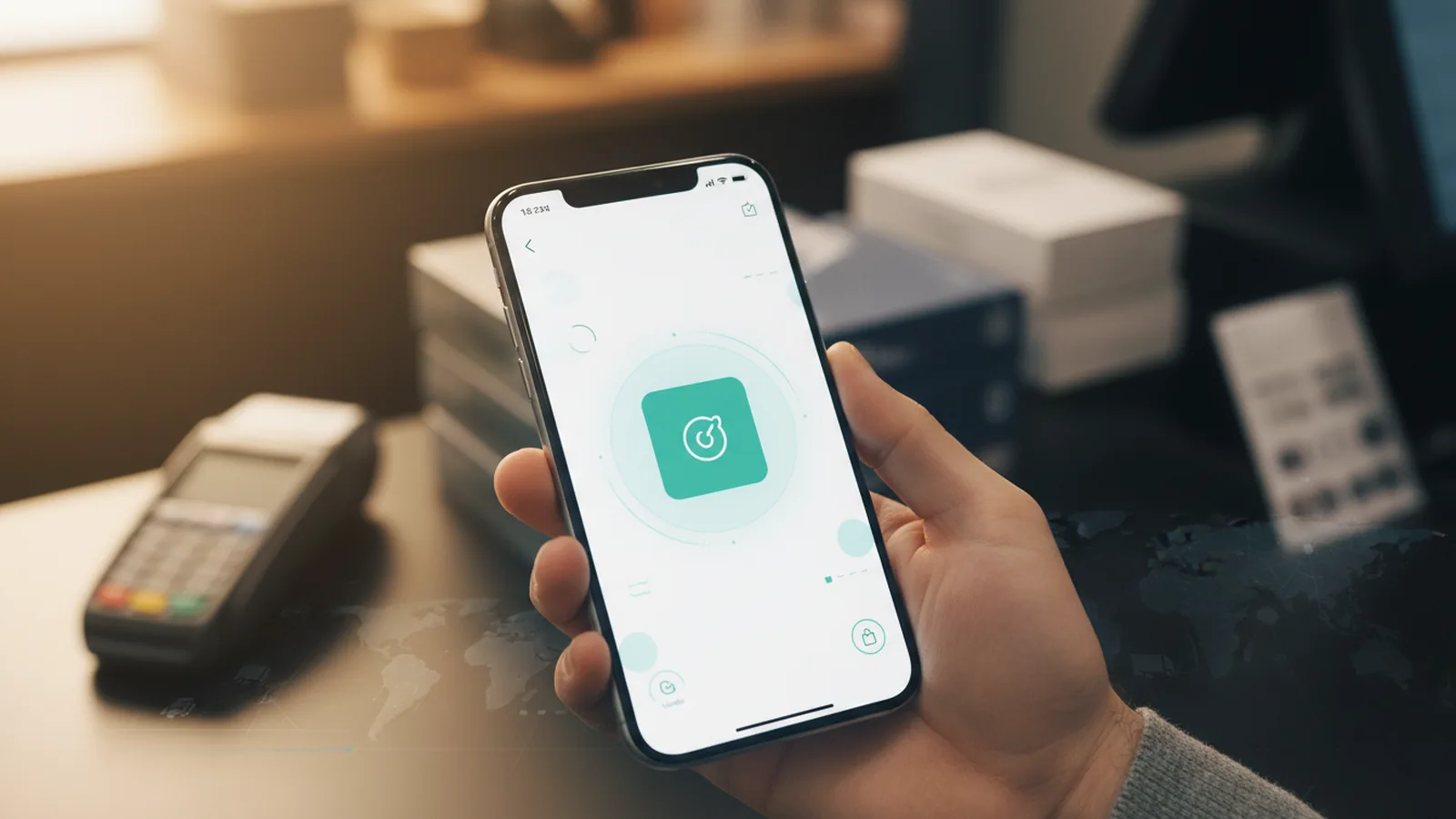
An e wallet payment is a way to pay using funds stored in a digital wallet (often on a phone). Instead of entering card details at checkout, the consumer authorizes the payment through the wallet app, a linked bank account, or a prepaid balance. Merchants and PSPs then receive payment confirmation through the wallet’s payment rails.
In practice, an e payment wallet acts as an orchestration layer: it holds payment credentials, decides which funding source to use, and triggers authentication. For businesses, this means you integrate once with the e wallet payment system, while the wallet handles user experience variations such as biometric prompts or device-based authentication.
The ecosystem is broader than a single brand. Many digital wallet payment systems support multiple authentication flows, device capabilities, and settlement patterns - so the right choice depends on your customer base and local payment expectations.
- Consumer side: wallet app, credentials, authentication, funding source
- Merchant side: checkout integration, payment authorization, reconciliation
- Provider side: acquiring bank, PSP, payment gateway, orchestration services
For global merchants, the goal is often instant wallet payment where supported, while keeping chargeback, dispute handling, and reporting consistent across payment methods.
How a payment wallet works end to end
A typical payment wallet flow starts when the customer selects a wallet option at checkout. The wallet app then authenticates the user and confirms permission to charge the selected funding method. Depending on the market, that funding method may be a linked bank account, a card token, or wallet balance.
Once authorized, the payment request travels through the merchant’s acquiring and PSP stack into the wallet’s processing environment. The processor routes the transaction to the appropriate rails for the wallet and the local scheme, then returns an authorization or decline response to the merchant’s systems. The merchant’s platform should map that response into order states and operational workflows.
Settlement timing can differ by provider and country. Some flows are near real-time from the customer perspective, while back-end settlement and reconciliation may still follow scheme or provider schedules. This is why “instant” needs to be defined as customer-visible speed rather than guaranteed T+0 settlement.
| Stage | What happens | What to validate |
|---|---|---|
| Customer authorization | Wallet authenticates user and confirms payment | Authentication reliability and fallback behavior |
| Transaction routing | PSP/acquirer routes to wallet processing rails | Correct merchant account mapping |
| Authorization outcome | Approve/decline returned to checkout | Consistent decline reasons and retries |
| Settlement & reconciliation | Funds settle and reports post | Reference IDs, reporting fields, dispute codes |
If you support multiple markets, a key challenge is handling wallet-specific events such as token updates, funding method changes, and authentication timeouts. A good digital wallet payment system reduces those operational surprises by standardizing notifications and report formats.
Wallet payment methods and e-wallet funding sources
Wallet payments are often categorized by funding source and authorization model. From the customer’s view, the experience might feel identical - tap, authenticate, pay - but behind the scenes the wallet payment method can involve different credentials and risk controls.
Common funding sources include: (1) wallet balance funded by top-ups, (2) linked cards via tokenization, and (3) linked bank accounts (where the wallet pulls or authorizes through a local account rails). Some mobile payment and digital wallet service providers also support QR-style flows or pay-by-link patterns, which can broaden acceptance for merchants without a standard checkout.
Because each option affects approval rates, settlement time, and dispute handling, you should test wallet payments as a set of wallet payment methods, not as one feature. For example, a wallet balance model may behave differently during peak traffic than a linked-card model.
- Tokenized card funding: wallet uses a stored token for card authorization
- Bank-linked funding: wallet authorizes via local bank rails
- Prepaid wallet balance: customer tops up; merchant gets immediate spend authority
- Merchant-initiated “payment wallet” flows: in certain programs, merchant triggers specific wallet operations
When you plan your acceptance strategy, consider how customers in your target region actually pay. In some markets, customers expect mobile payment wallet options at checkout; in others, wallet usage centers around app-based transfers or authentication-centric payments.
E wallet payment solutions: what to look for in a digital wallet payment system
Choosing e wallet payment solutions is less about picking a single wallet and more about evaluating the entire stack: integration support, transaction routing, reporting, risk controls, and how the provider expands to new markets. A robust digital wallet payment system should let you add wallet acceptance without rewriting your checkout for every wallet brand.
Start with the integration approach. Look for clear documentation on payment intents, idempotency, webhook/event handling, and the mapping between wallet authorization outcomes and your order management. You also want predictable behavior for edge cases such as user cancellation, authentication timeouts, and network failures - these affect checkout UX and support load.
Next, assess reporting and reconciliation. Wallet programs often require consistent identifiers across authorization, refund, and dispute flows. If your finance team cannot reconcile quickly, wallet acceptance can become an operational burden even when transaction volume grows.
Finally, evaluate market coverage and expansion paths. For merchants going global, a global payment wallet strategy means you can offer wallet payments across regions with a manageable operational model. This is where independent agencies and specialized providers often help - especially when local payment expectations differ widely.
| Selection area | Questions to ask | Why it matters |
|---|---|---|
| Integration & testing | Is there sandbox support, test wallets, and clear webhook specs? | Reduces time-to-launch and hidden failure modes |
| Authorization & decline handling | Do you receive structured decline reasons and stable status codes? | Improves retries and customer messaging |
| Refunds & chargebacks | Are refund flows standardized and do disputes use consistent reference IDs? | Protects margin and cash-flow predictability |
| Settlement & reporting | Are reports granular enough for finance and accounting needs? | Speeds reconciliation and reduces errors |
| Geographic reach | Can you expand by adding markets without redesigning your stack? | Supports scalable wallet payment methods |
If your goal is instant wallet payment, confirm what speed you should expect at the customer level and at the ledger level. A quality solution will communicate those differences clearly and support operational workflows when “instant” is not guaranteed end-to-end.
Digital wallet payment system requirements for merchants
Before integration, define your acceptance requirements. Are you selling digital goods, subscriptions, marketplaces, or physical products? Wallet payment constraints can vary by transaction type, refund frequency, and customer authentication behavior. Aligning your product model with the provider’s capabilities helps prevent costly rework.
Also review security and compliance responsibilities in your context. While the wallet handles customer authentication, merchants and PSPs still manage session handling, secure transmission, and webhook integrity. You should have a consistent approach to verifying payment events and preventing duplicate processing using idempotent keys.
Operational readiness is just as important as technical readiness. Ensure your customer support team understands the typical wallet failure modes: canceled authorization, insufficient balance, expired authentication, or funding source not available. Good documentation and realistic test scenarios make wallet payment deployments smoother.
Finally, think about customer experience. The wallet option should be easy to find at checkout, and the flow should be resilient on mobile networks. If a wallet payment fails, your checkout should offer a clear fallback to other payment methods so conversion doesn’t drop.
- Define supported transaction types and refund expectations
- Confirm webhook/event reliability and idempotency behavior
- Test cancellation, timeout, and network failure scenarios
- Validate reporting fields for finance and reconciliation workflows
- Ensure fallback payment methods and customer support playbooks
When you compare providers, don’t evaluate only approval rates. A “good” wallet payment method is one that fits your operational model, dispute workflow, and reporting needs - not just one that authorizes efficiently.
How to launch an e wallet payment faster (and safer)
Start with a phased rollout. Pilot the wallet payment with a limited set of products or geographies where you already have strong traffic and manageable support volume. This approach lets you measure performance, learn wallet-specific behaviors, and confirm reconciliation accuracy before expanding.
Next, ensure your technical team can correlate the entire lifecycle of a transaction. Track the same reference identifiers from authorization to capture/settlement to refunds. That correlation is what makes your e wallet payment system usable in daily operations, especially when customers contact support months later about a refund.
Then, focus on fallbacks. Even in optimized flows, some users won’t be able to authenticate, will have insufficient balance, or will face device limitations. Offering a smart fallback reduces friction and protects conversion while you continue tuning wallet acceptance.
For merchants expanding internationally, consider leveraging expertise that connects acquiring banks, PSPs, and local payment methods. An independent ISO and fintech agency model can speed market onboarding by aligning local requirements with a scalable integration strategy across regions.
- Pilot by market and product category first
- Instrument end-to-end transaction IDs for reliable reconciliation
- Build wallet failure-aware customer messaging
- Use provider reporting early to validate finance workflows
Bottom line: The best payment e wallet rollout is one where checkout UX, operations, and reconciliation are designed together from day one.
Common questions about wallet payment acceptance
Many merchants wonder whether digital wallet payment is “just another card payment.” In most cases, the user experience is different because authentication happens in the wallet app, but the payment still needs consistent integration and reliable event handling on the merchant side. The right approach is to treat wallet payments as their own acceptance channel with defined success and failure paths.
Another frequent question is whether wallet payments will improve conversion. They often do when the wallet is popular in the target region and the checkout flow is mobile-optimized. However, results depend on funding source availability, user authentication rates, and your fallback options.
Finally, merchants ask how to choose between multiple providers or programs. The most practical evaluation covers integration quality, reporting depth, refund and dispute handling, and the realistic ability to expand coverage across geographies.
| Question | Practical answer |
|---|---|
| Is it the same as card processing? | Wallet payments use wallet authentication and rails; your integration must handle wallet events and reporting. |
| Will it be instant? | Customer-visible speed can be fast, but settlement and reconciliation may still follow provider schedules. |
| How do I scale globally? | Look for a stack that supports multiple markets and consistent operational reporting across wallet payment methods. |
Key takeaways for e wallet payment strategy
Choosing an e wallet payment system is a strategic decision that affects conversion, operations, and finance workflows. When you evaluate digital wallet payment system capabilities, look beyond approval rates and confirm that integration, reporting, and lifecycle events match how your business runs.
Wallet payments tend to perform best when you align product type, mobile checkout UX, and regional expectations. That alignment helps customers complete authorization smoothly and reduces the number of support cases related to authentication failures or refund status confusion.
When your roadmap includes multiple regions, a scalable approach to e wallet payment solutions and a clear plan for expanding wallet coverage is essential. With the right partner model, you can connect to acquiring banks, PSPs, and local payment methods worldwide while keeping integration and operations consistent.
Remember: A successful wallet payment rollout turns “tap to pay” into reliable order processing, reconciliation, and dispute handling - every time.
Frequently asked questions
What is e wallet payment and how does it work?
E wallet payment lets customers pay using funds and authentication from a digital wallet. The wallet app confirms the user, then the merchant’s PSP/acquirer routes the transaction through wallet processing rails.
What is a payment wallet and what funding sources does it use?
A payment wallet is an app or service that stores payment credentials and handles authorization. Funding sources commonly include linked cards, linked bank accounts, or wallet balance.
What should I look for in an e wallet payment system?
Focus on integration quality, webhook/event reliability, consistent reporting fields, and complete lifecycle support for refunds and disputes. Also confirm how the system expands across markets if you operate globally.
Are digital wallet payments instant for merchants and finance teams?
Customer-visible authorization can be very fast, but settlement and reconciliation may follow provider or scheme timing. Confirm both authorization speed and back-end posting expectations.
What are common wallet payment failure scenarios and how should checkout handle them?
Common issues include user cancellation, authentication timeouts, insufficient balance, or funding method not available. Your checkout should provide reliable status handling and a clear fallback to other wallet payment methods or payment options.
How do e wallet payment solutions help with global payment wallet acceptance?
They can standardize integration and reporting while enabling wallet acceptance across regions. The best options also support local requirements and consistent operational workflows across markets.
Related Articles
Global Payment Gateways — How to Compare Your Options
Compare global gateways by market reach, payment methods, fees, and fit.

Choose a Payment Processor That Fits Your Small Business
Compare fees, features, and support to find a processor that fits your business.

Understand Recurring Payments — How They Work for Businesses
See how recurring billing works, what it costs, and how to manage its risks.