
Payment Settlement Agreements: Structure, Clauses, and Sample Template

Understanding payment settlement agreements
A payment settlement agreement is a deal to end a dispute with a payment. One side pays. The other side agrees not to keep pushing the same claims. This cuts time and risk versus long dispute handling.
The goal is more than an amount. It also sets the settlement deal rules and the payment schedule. It lists what is solved and what is not solved. It also sets how each side must act after signing.
You will see these deals in many commercial disputes. They can follow failed talks over unpaid fees or service issues. A clear agreement helps both sides close the matter fast.
- Resolves disputes: names the claim set being settled
- Sets payment terms: due date, method, and steps
- Creates closure: includes waiver and release terms
- Supports enforcement: defines what happens on default

Key terms you should include
A payment settlement agreement should name the parties clearly. It should state which side pays. It should state the settlement payment amount and currency. It should also state the due date.
Next, define payment method details. Name wire or ACH or local rails. Also state who pays fees. Add a remittance note so finance can match the payment.
If terms are vague, disputes can return later. “Pay within a month” often causes trouble. A good agreement uses exact dates and clear triggers.
| Term | What to write |
|---|---|
| Settlement payment | Amount, currency, and payer |
| Payment terms | Due date, any steps, and timing rules |
| Payment method | Rail, fees, and remittance details |
| Claims covered | Disputes, invoices, and time frames |
| Release and waiver | What rights end after pay |
| Confidentiality | Limits on sharing the deal |
| Default | Late rules and cure time |
Another key point is the scope of what you fix. List the issues tied to the dispute. Then say the parties drop future claims for that scope. This is core contract law logic.
Creating a payment settlement agreement template
A payment simple settlement agreement template can be short. It works when one party owes one set of claims. It then ties one pay event to one release.
Use a reuse plan your team can edit fast. Start with the party names and the sign date. Then add the settlement amount and due date. After that, add the payment method and fee split.
If you plan for later fights, add more detail. This is where you write clear default terms. It is also where you add force majeure terms. Force majeure means events outside control that delay work.
- Name the parties with full legal names and roles.
- State the settlement payment with amount, currency, and due date.
- Set the payment method with fees and remittance rules.
- List the claims settled by dispute topic and time range.
- Add release and waiver that start after pay.
- Write confidentiality rules and key allowed disclosures.
- Set default and remedies if pay is late or missed.
- Add force majeure and the notice duties.
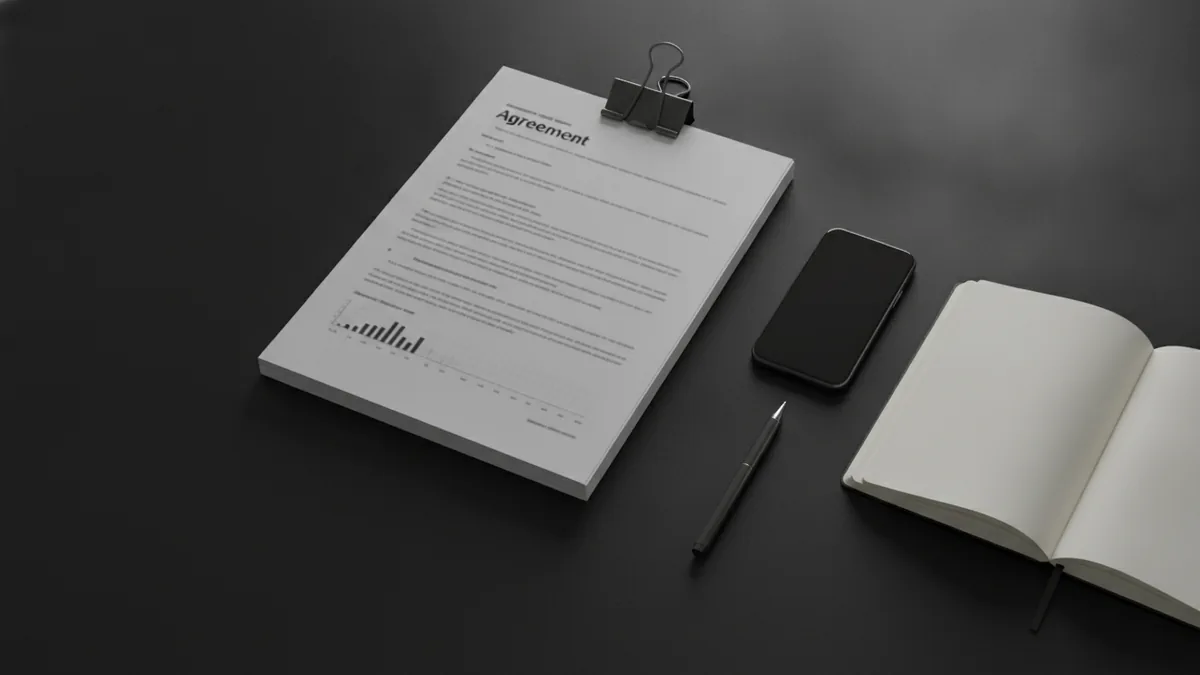
Payment settlement agreement sample (plain-language skeleton)
Here is a payment settlement agreement sample outline. It is a skeleton. You should edit it for your deal and laws. Use it to map each clause to your talks.
Parties. “This Payment Settlement Agreement (the ‘Agreement’) is by [Company A] and [Company B].” Add addresses and sign roles.
Why they sign. Write a short note on the dispute topic. Keep it brief. Avoid new promises that were not meant.
Core settlement terms
Settlement payment. “Company A will pay Company B [Amount] [Currency].” Then set, “due within [X] business days after the start date.”
Payment method. “Payment will be by bank transfer to Exhibit A.” Say who pays fees. Require a remittance note for each deal.
No blame. Add a line that each side denies fault. This can help in later dispute handling.
Scope and releases
Claims resolved. “This Agreement ends claims tied to [topic] from [date] to [date].” Add details enough to match your audit trail.
Release and waiver. “After Company B gets the full amount, Company B releases Company A from covered claims.” Add any carve-outs for side duties.
Confidentiality and dispute steps
Confidentiality. “The deal fact and terms are private.” Add allowed sharing for law help, tax work, and rule checks.
Dispute steps. If a pay fight starts, require a manager call first. Then allow formal steps if no fix happens.
Default, enforcement, and force majeure
Default. “If Company A misses the due date, Company A must cure within [X] days.” Also state the late remedy, like set interest.
Enforcement. Say what you can ask for if default occurs. For example, sue for the amount and costs tied to the case.
Force majeure. “No party is liable for delays from events beyond control.” Add a notice rule and a plan to resume after the event ends.
This structure can support a payment clause in service agreement link. It can also stand alone when you need a clean close.
Important clauses in payment settlement agreements
Several clauses make a settlement work in the real world. They shape money timing and risk. They also set how you handle tax and future claims. These parts matter when commercial disputes turn tense.
Confidentiality clauses
Confidentiality protects both sides. It can cover the deal fact, not just the sum. Many deals also bar sharing deal terms with third parties.
Write permitted sharing too. Common cases include law help, tax prep, and rule checks. The clause should say these parties must keep the same privacy rules.
Tax implications of settlements
Tax rules vary by place and deal shape. So do not assume a single outcome. Many agreements state that each side owns its own tax costs.
You should also cover withholding. Withholding means taking out tax from the payment. Say if the payer may withhold and what paperwork the payer must send.
If you expect cross-border rules, be extra clear. Tax implications of settlements often lead to cash shortfalls. Clear duties cut those fights early.
Claims, rights, and waivers
List the claims you fix. Name the invoices or work items if you can. Name the dates or milestones tied to the dispute. This helps avoid a “we meant more” claim later.
Also define when the waiver kicks in. Many deals use “after full pay is received.” That links the release to the real settlement payment event.
Default provisions and enforcement mechanisms
Default rules protect the deal. If a side fails to pay, the other side needs a clear path. The agreement should state a cure time and a remedy.
Some deals add a fixed sum for delay. This is liquidated damages, which means a set fee for harm. Only add it if it fits the facts and is fair for enforcement.
- Late remedy: interest or a set late fee
- Cure period: a clear number of days
- Enforcement: court or arbit tool choice
- Costs: who pays legal fees in a fight
Force majeure clauses
Force majeure clauses reduce blame for outside events. In payment deals, delays can come from bank stops. They can also come from rail outages in a region.
Write how notice works. The affected side should tell the other side fast. Also say if the duty is paused or ended, and for how long.
Then say what happens when the event ends. A clear restart date helps keep the settlement on track.
Binding effect on involved parties
The agreement should say it is binding on both sides. It should also cover their heirs and allowed buyers. This helps if ownership shifts during the process.
Also confirm signers have authority. If a signer lacked power, the other side may argue the deal fails. That risk is not worth leaving open.
Considerations for negotiating settlements
Settlement negotiation rarely stops at the price. Each term shifts risk and workload. So treat the deal like an ops plan, not just a number swap.
First, map timing to how your payments work. If it takes days to clear funds, define “paid” as sent or received. This choice can change who owes what next.
Second, agree on dispute resolution steps. If a scope fight appears, a short step plan can help. It can also reduce costs before formal action starts.
Practical negotiation points
- Claims scope: define what is settled, not what is hoped
- Carve-outs: keep outside duties in a clear list
- Confidentiality: define who may get the deal info
- Tax duties: set withholding and filing jobs
- Default terms: add cure time and a remedy
- Payment rail: pick a method both sides can run
- Force majeure: say what delays are excused
Do one last test before you sign. Ask if a neutral reader can tell what each side must do. If the answer is “maybe,” fix the clause text now.
When done well, the payment settlement agreement ends the issue. It also gives each side a clear path to close the case.
Frequently asked questions
What is a payment settlement agreement used for?
It is used to resolve a dispute with a set settlement payment. It also records what claims stop after pay.
What are the key components of a settlement agreement payment clause?
Most deals list the amount, due date, and payment method. They also cover fees and the payment reference used to match records.
Why do payment settlement agreements need clear defined terms?
Clear terms make the deal easier to enforce. They also stop “we meant something else” fights later.
Should a payment settlement agreement include confidentiality terms?
Yes. Confidentiality clauses often cover both the deal fact and the deal terms. They also set who may share the deal info.
How do tax implications of settlements affect a payment settlement agreement?
Tax rules can change the amount you actually pay. Many deals cover who handles withholding and which taxes each side pays.
What happens if payment is late under a payment settlement agreement?
Default provisions should say what you do next. They often set a cure window and a late payment remedy.
Related Articles

Global Payment Gateways — How to Compare Your Options
Compare global gateways by market reach, payment methods, fees, and fit.

Choose a Payment Processor That Fits Your Small Business
Compare fees, features, and support to find a processor that fits your business.

Understand Recurring Payments — How They Work for Businesses
See how recurring billing works, what it costs, and how to manage its risks.