
Payment Services Explained: Bill Pay, Processing, and Resolution

Types of payment services you can choose from
Payment services move money from a payer to your back office. They also connect the result to an invoice record. Most full stacks join three layers for end to end control.
The first layer is bill payment services. They capture the customer’s payment intent for a specific bill. They also send receipts and update status so buyers can track progress.
The second layer is payment processing. It handles authorization, routing, and capture timing. It can also apply controls that reduce fraud and cut failed attempts.
The third layer is payment resolution services. They turn outcomes into final accounting events. They then match results back to the right invoice and post them into your system.
- Bill payment services: bill link, receipts, status updates
- Payment processing: authorization, routing, capture timing
- Payment resolution services: match, post, and handle gaps
Modern transaction methods across channels
Modern payment services support online payments, mobile payments, and in store payments. Online flows often need a fast checkout page. They must also show a clear “done” or “failed” signal.
Mobile payments need stable sessions. They also need quick return paths after an approval step. In store payments depend on terminal reliability and network speed.
Some payment plans use peer to peer payment services for special cases. Examples include split bills or internal settlements. Still, only use them when you can reconcile cleanly back to invoices.

How bill pay, processing, and resolution work in practice
Bill payment services connect a bill to a payment outcome. For businesses, this means each bill maps to an account and customer profile. It reduces the need to chase screenshots when someone says “it paid.”
Payment processing is where approval happens. It routes a payment request through the network before funds move. It can also delay capture for timing control in cases like preorders or delayed fulfillment.
A payment gateway often sits between checkout and processing. It moves data and manages the handoff. Your team should know what is stored, and what is only passed through.
Payment resolution services then turn results into posting events. Many teams call this payment posting services. They match each payment to the right invoice and handle partial payments, retries, and fails.
Business examples: retail, recurring monthly charges, and disbursement
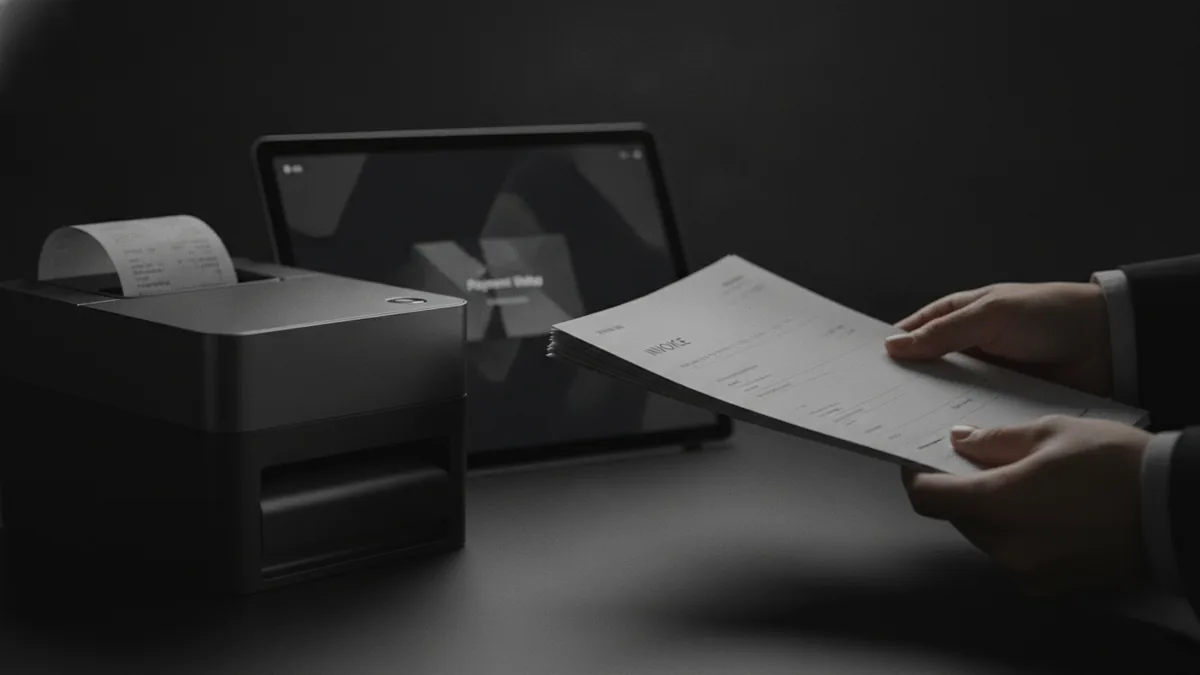
Bill payment services for businesses fit best when each invoice has clear line items. For retailers, this reduces disputes caused by missing or unclear receipts. It also helps when you need to refund only part of an order.
For recurring monthly payment, payment services can manage scheduled charges. Bill payment services keep the account linkage stable across cycles. Payment resolution services then post outcomes to the ledger each month.
Teams may also need payment disbursement services. This is the reverse flow, where you pay vendors and workers. Contractor payment services usually require clean status feeds and safe retry rules.
| Stage | What happens | Why it matters |
|---|---|---|
| Bill payment services | Customer pays an invoice | Receipts and status stay clear |
| Payment processing | Approval and route before capture | More control and fewer surprises |
| Payment resolution services | Match results and post outcomes | Ledger truth and fewer fixes |
Benefits you should expect from well run payment services
Good payment services make buying easier across every channel. Less friction typically means higher completion rates. The goal is a clean “paid” or “failed” signal that teams can act on fast.
Cash flow planning improves when timing is clear. Payment processing can clarify when capture happens. Then payment resolution services can post results quickly into finance systems.
This reduces delays during daily close. It also lowers work during month end. Fewer items sit in limbo, so teams spend less time hunting mismatches.
Support work should drop as well. Receipts become more consistent across online, mobile, and in store flows. Refund status also becomes easier to verify without manual back and forth.
- Convenience: smoother steps across online, mobile, and in store
- Cash flow: clearer time from check to settlement
- Customer care: stable receipts and status updates
- Finance time: fewer gaps and less manual reconciliation
Security and compliance basics (what good looks like)
Payment services should protect sensitive data. They also help cut fraud risk through layered controls. Secure payments usually start with how you design access and data flow.
For card data, PCI DSS is a common baseline rule set. It guides how you handle and store cardholder information. A good provider helps you meet these needs through secure patterns.
Fraud prevention also matters for daily operations. Look for controls like risk rules and velocity limits. Then use safe retry logic to avoid repeated attempts that look like attack traffic.
Integration design affects safety too. If you use API integration, manage keys with care. Apply least privilege so systems only get the access they need.
For reference on card data security expectations, see the PCI Security Standards Council resources.
How to choose the right payment service for your needs
Choosing payment services is not only about checkout. You should evaluate the full path from customer action to posting. That means costs, security, and how well the system supports your invoice lifecycle.
Start with transaction fees. Ask how fees work for each method, and how refunds are handled. Also ask how transaction costs change for cross border payments.
Next, assess security features. Confirm fraud prevention controls and how they are tuned. Also check how secure payments are handled in your integration, including API integration details.
Then review customer support and operational tooling. A strong provider gives useful status feeds and clear failure reasons. That helps both your support team and your finance team during payment disputes.
Finally, confirm fit for your use case. Some flows need patient payment processing for healthcare billing. Others need payment for services for professional services firms. Some need payment disbursement services for contractor payouts.
What to ask before you sign a contract
Ask for a clear view of payment posting services and how matching is done. You should understand how partial payments are represented. Also ask about payment resolution services for retries and fails.
If you need cross border payments, confirm how settlement currency and timing work. Then confirm how you get data back for your reporting. If you plan to support recurring monthly payment, test a full billing cycle in a sandbox.
If you handle sensitive industries, ask about security hardening. For example, patient payment services often need strict access controls. The same goes for platforms with many internal users and roles.
- Request a fee breakdown per payment method and per country
- Review fraud prevention controls and retry behavior
- Check API integration scope and event payloads for posting
- Test end to end reporting from checkout through resolution
- Assess customer support for ops, not just sales questions
Top payment service providers and what they tend to fit
Popular payment services providers include PayPal, Stripe, Square, and Adyen. Each tends to cater to different business needs. Many companies start with one provider, then add local methods through additional partners.
Stripe is often used for developer led platforms. It is strong for flexible checkout and payment routing patterns. Square is commonly chosen by businesses that want simple in store and online setups.
PayPal is widely recognized for consumer trust and fast checkout. It can also help with recurring charges for some merchants. Adyen often fits larger merchants that want global scale and deeper reporting.
When you compare payment services companies, consider the whole stack. Look at payment processing, bill payment services, and payment resolution services. Also check how well the provider supports payment services for businesses like yours.
If you need payment services hub features like consolidated reporting, ask for clear data access. If you want centralized payment processing, confirm what is actually centralized versus routed. Avoid assumptions and validate with sample data events.
Future trends in payment services
Payment services keep shifting toward faster, more consistent e payment services. E payment services reduce friction and can support new buyer journeys. They also help with automated invoice matching through better event feeds.
Cross border payments are also in higher demand. Buyers expect local rails and familiar payment methods. Businesses want settlement timing that supports predictable cash flow.
Another trend is deeper operational tooling for payment resolution services. Companies want near real time posting for fewer close day surprises. They also want clearer exception handling when payments do not match invoices.
Fraud prevention will continue to improve with better signals. Expect more controls tied to device, network, and behavior patterns. Still, the best results come from strong integration design and disciplined operations.
Common scenarios and how to map them to the right layer
Some payment scenarios mainly need bill payment services. Examples include invoicing portals and storefront checkout linked to billing. In those cases, receipts and status updates drive most of the user experience.
Other scenarios mainly need payment processing. That includes use cases with strict timing needs for authorization and capture. It also includes platforms that must route payments across networks.
Finally, payment resolution services matter when reconciliation gets hard. That is true for partial payments, retries, and high order volume. It also matters when you need consistent payment posting services for monthly close.
For special cases, ask how the stack handles edge conditions. For example, patient payment services may involve complex billing rules. Payment for services can involve line items that do not map 1:1 to a single transaction. The best setup keeps exceptions readable for both support and finance.
Frequently asked questions
What are payment services?
Payment services move money from a payer to your records. They connect payment outcomes to invoices through bill pay, processing, and resolution.
What is the difference between payment processing and payment resolution services?
Payment processing handles authorization, routing, and capture timing. Payment resolution services match results back to invoices and post outcomes.
What are bill payment services for businesses?
They link customer payments to invoices for clear receipts and tracking. They also reduce disputes when customers ask for proof of payment.
How do payment services help with fraud prevention?
They use risk rules, velocity limits, and safe retry behavior. Strong API integration also reduces exposure to sensitive data.
How do I choose the best payment services for my company?
Compare transaction costs, security features, and how fast outcomes get posted. Then test end to end mapping from checkout to reconciliation.
What are e payment services and why are they growing?
They cover electronic checkout and payment flows that reduce friction. Many businesses prefer them because reconciliation can become more automated.
Related Articles

Payment Processing Systems — How to Choose the Right Fit
Compare payment systems and choose the right fit for your business.
Choose Online Payment Services — Compare Fees and Features
Compare payment fees, features, security, and global reach before you choose.

Payment Ecommerce — Methods, Processing and Provider Choice
Compare payment methods, processing steps, provider costs, and checkout security.