
Merchant Payment Guide: Meaning, Providers, Gateways, and Systems
Merchant payment meaning in plain terms
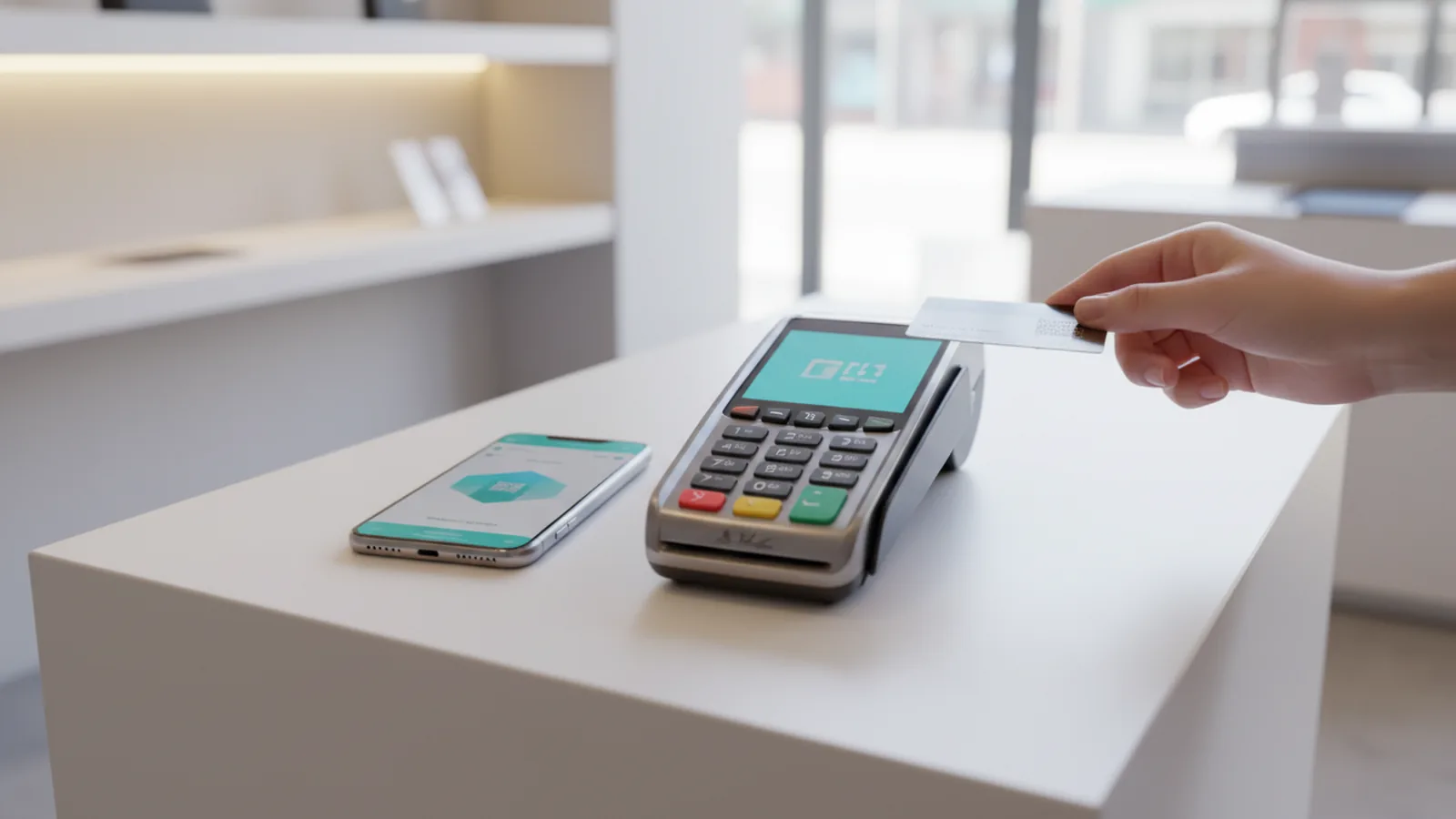
Merchant payment is how a shop gets paid by card or other methods. It covers the steps from checkout to approval. It also covers the later settlement to the business.
Merchant payment systems are not one single product. They are a chain of services that work together. Each part has one job to do.
You will usually buy the bundle through one provider. That provider connects to partners behind the scenes. The goal is simple: get approvals and get payouts.
- Customer pays at a till, or at online checkout
- Request goes for approval, then you get a result
- Funds settle to the merchant account later
What is a merchant provider?
A merchant provider helps a business accept payments. It may use an acquiring bank connection. It may also use a payment service provider model.
The “what is a merchant provider” question can feel confusing. People mix up the provider with other roles. Many providers coordinate multiple services under one contract.
On day one, the provider helps you onboard. It also gives you an integration path and tools. After launch, it supports issues like refunds and disputes.
| Role | What it does |
|---|---|
| Merchant provider | Coordinates acquiring access, gateway tools, and ops support |
| Acquiring services | Enable approval and later settlement to the merchant |
| Gateway | Sends checkout requests and receives payment results |
| Processor | Runs the core payment processing steps for approval |

Merchant payment systems: the full set of moving parts
Merchant payment systems combine your checkout flow with payment services. For online sales, this is your checkout page or API. For stores, this is terminals and point of sale links.
Your team owns the customer flow. Your provider owns routing and checks. That split keeps things clear and helps you troubleshoot fast.
Most systems also include risk checks. Those checks can look at fraud signs and past behavior. They can reduce bad payments without blocking good buyers.
- Checkout collects payment data safely
- Merchant payment gateway sends the request onward
- Merchant payment processor runs the approval steps
- Payment acquiring supports settlement to you
- Reporting helps match orders to payouts
Merchant payment gateway vs merchant payment processor
A merchant payment gateway is the link between checkout and the payment rails. It takes a payment request and sends it out. Then it returns the result to your site.
A merchant payment processor is the processing layer for approvals. It coordinates the needed steps for the payment to be accepted. The processor also runs core rules for handling the transaction.
Many vendors bundle gateway and processor in one offer. You may not see the split at launch. You will feel the difference during support and failures.
- Gateway: APIs, redirects, and status updates
- Processor: approval handling and processing rules
- Acquiring: settlement to your merchant account
- Risk tools: fraud checks and decline handling
Merchant payment solutions for different use cases
Merchant payment solutions change by channel and region. Your setup can include cards, bank transfers, or wallets. Some plans also add local payment methods.
For online sales, you may use a hosted checkout. That can cut your security work. For API-based checkout, you control more of the flow.
For in-store sales, terminal support matters most. Your provider must match your POS steps and device needs. You also need clear refund and void controls.
- Online: gateway setup, webhooks, and status handling
- Retail: terminal fit and POS workflow support
- Marketplaces: split payments and per-seller reports
- Subscriptions: token use and recurring rules
Mobile merchant payment and QR-based payments
Mobile merchant payment is payment made from a phone app or mobile web. It often includes quick status updates. The flow must feel fast even on weak networks.
Merchant qr code payment is a scan-and-confirm method. The merchant shows a code at the point of sale. The buyer scans it and confirms in a wallet or bank app.
Timing matters for QR. Customers may wait for confirmation that arrives in seconds. Your system should update the order when payment is final.
Use this checklist to avoid “paid but not fulfilled” issues.
- Use webhooks for final success updates
- Set timeouts based on local payment behavior
- Log each payment event per order
- Retry safely on network errors
- Check order-to-payout matching in reports
Merchant bill payment, virtual gateways, and “merchant in” setups
Merchant bill payment is when customers pay a bill tied to your service. It often uses local payment rails. You still need tracking so you can mark the bill as paid.
A virtual merchant payment gateway is a setup where you route through a virtual path. You do not run a full physical setup yourself. The provider handles the “virtual merchant” logic.
Some platforms use the idea of “merchant in payment gateway.” It means your merchant setup lives inside the gateway account. Your checkout then uses that gateway profile for routing.
These models can speed up launch. They can also change how fees and timing work. Confirm settlement dates and dispute handling before you commit.
Payment acquiring and merchant payment acquiring services
Payment acquiring enables card acceptance and later settlement. It connects your business to an acquiring bank and networks. Without this link, approvals may not turn into payouts.
Merchant payment acquiring services cover the access side. They handle setup, reviews, and ongoing checks. They also monitor risk and payment health over time.
If you sell across countries, acquiring decides how far you can scale. Each market has different options and rules. A good partner matches your business profile to workable routes.
Ask for three clear answers. Get your main countries’ settlement timing. Learn how refunds and partial captures work. Also ask how disputes are handled with proof data.
Choosing merchant payment systems: what to ask before you sign
Start with your sales channels and payment types. Cards, local methods, wallets, and QR all need the right routing. Then match that to your team’s integration skills.
Next, check day to day operations. You need clear decline reasons and stable status webhooks. You also need a dispute workflow that fits your order data.
Finally, check how the chain fits end to end. Your gateway, processor, and acquiring parts must match. If they do not, you can see delays and hard-to-fix payment bugs.
- Coverage: countries, currencies, and payment methods
- Integration: API options, hosted flow, and webhooks
- Ops: disputes, refunds, and report exports
- Costs: fee model for your expected volume
- Settlement: timing, fees, and payout visibility
If you need help matching your business to acquiring banks and PSPs, get expert support. An independent ISO and fintech agency can help you compare options. That can reduce lock-in to one narrow route.
Frequently asked questions
What is a merchant payment?
Merchant payment is the process that lets a business accept customer payments, get approvals, and receive settlement. It combines checkout, routing, authorization, and reconciliation.
What is a merchant provider?
A merchant provider is the company that helps a merchant accept payments through acquiring access and payment tools. It may supply a gateway, processing, reporting, and dispute support.
Is a merchant payment gateway the same as a merchant payment processor?
No. A gateway is the connection layer for checkout requests and webhooks. A processor handles the core authorization and processing steps.
What does mobile merchant payment mean?
Mobile merchant payment covers payments made from mobile apps or mobile web checkouts. It can also include QR-based flows where customers confirm in their banking or wallet apps.
What is merchant QR code payment?
Merchant QR code payment is a scan-and-confirm payment flow. The merchant presents a code, and the customer completes the payment in a wallet or bank app.
What is payment acquiring for merchants?
Payment acquiring is the setup that connects your business to an acquiring bank and payment networks. It enables authorization and settlement to your merchant account.
Related Articles

Return Payment Fees — Why They Happen and How to Avoid Them
See why payments are returned, what fees may follow, and how to reduce the risk.

2D Payment Gateways — Speed, Risk, and Setup
See how 2D payment gateways work, where they help, and what risks they bring.

ACH Payments — How Bank Transfers Work
Understand ACH transfers, costs, timing, transaction types, and business use.