
Credit Card Processing — Choose the Right Fit for Your Business

Credit card processing: what small businesses need to know
For most small businesses, the best credit card processing combines clear pricing, reliable support and tools that fit how you sell. Square can suit businesses that want a simple setup. Stripe works well for online sales and custom checkout needs. A local provider may be a better fit if you need an EFTPOS terminal or regional payment methods.
Credit card processing is the set of steps that moves a card payment from your customer to your business bank account. A payment processor sends payment details for approval, then helps move the funds. A payment gateway securely passes details from an online checkout to the processor. Some providers bundle these services.
Taking cards can help you serve more customers, accept contactless payments and offer digital wallets. It can also make checkout faster than handling cash. The right setup depends on your sales channel, average payment size and expected volume. A busy shop and a mobile repair business may need very different tools.
Think about the whole payment flow, not just the terminal.
How to choose a credit card processor
Start by listing where you take payments: in person, online, by phone or at a customer’s site. Then check which cards and digital wallets the provider accepts. If you sell across borders, ask about local payment methods, currency conversion and settlement times. A feature you do not use should not drive your choice.
Compare the full cost, not one advertised rate. Ask about per-payment fees, monthly charges, terminal rental, setup costs and chargeback fees. Some providers use a flat rate, while others set fees based on card type and payment method. Your bill can also change with refunds, keyed payments or cross-border sales.
Check how quickly payments reach your bank account and what support you can reach during trading hours. Ask whether the provider offers a merchant account, or pools funds across customers. A direct merchant account may offer more control, but it can bring extra checks and fees. Read the contract for cancellation terms and any minimum term.
- Estimate monthly costs using your own sales volume and average payment.
- Test the checkout or terminal before signing a long contract.
- Check service hours, help channels and hardware replacement rules.
- Confirm that the system works with your accounting or stock tools.
For example, a shop with many small payments should compare per-payment charges closely. A consultant who sends a few large invoices may care more about online tools and bank settlement time. Price each provider against the same sales mix.
Credit card processing companies worth comparing
There is no single best credit card processing company for every business. Square is known for an integrated point-of-sale setup, with payment tools and hardware for in-person sellers. It can be a straightforward starting point for a small shop or service business. Check current pricing and hardware availability in your country.
Stripe is strong for online payments and businesses that want to build a tailored checkout. It offers payment tools for websites and apps, plus options for in-person sales in supported markets. Its range can help a growing business, though setup may take more work than a basic shop terminal. Review Stripe's pricing details for the current fees in your market.
PayPal can be useful for online sellers who want a familiar checkout option. Clover combines payment hardware with point-of-sale features, though the seller, contract and price can vary by location. A local acquiring bank or payment service provider may offer more hands-on help, local card support or a better fit for your country.
Compare at least three quotes using the same payment mix. Ask each provider to show monthly costs at your expected sales level. Confirm the quote covers refunds, keyed payments, terminal rental and any gateway fee. Prices and products change, so treat brand comparisons as a shortlist, not a final verdict.
Choosing a reliable credit card machine
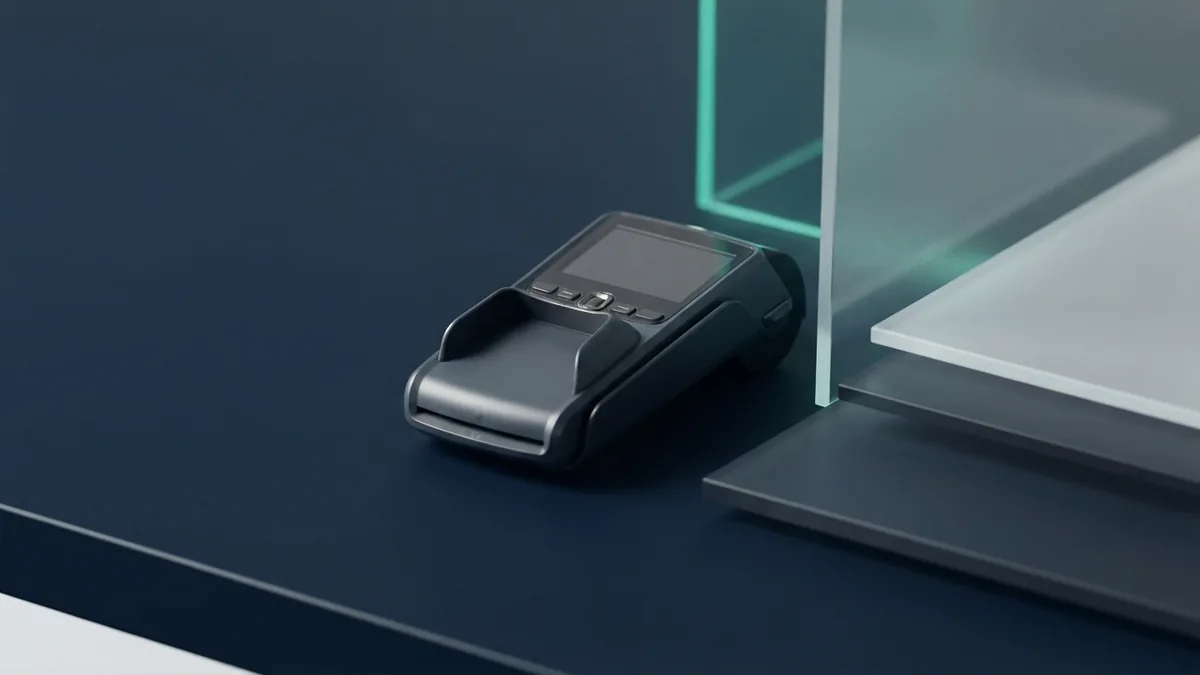
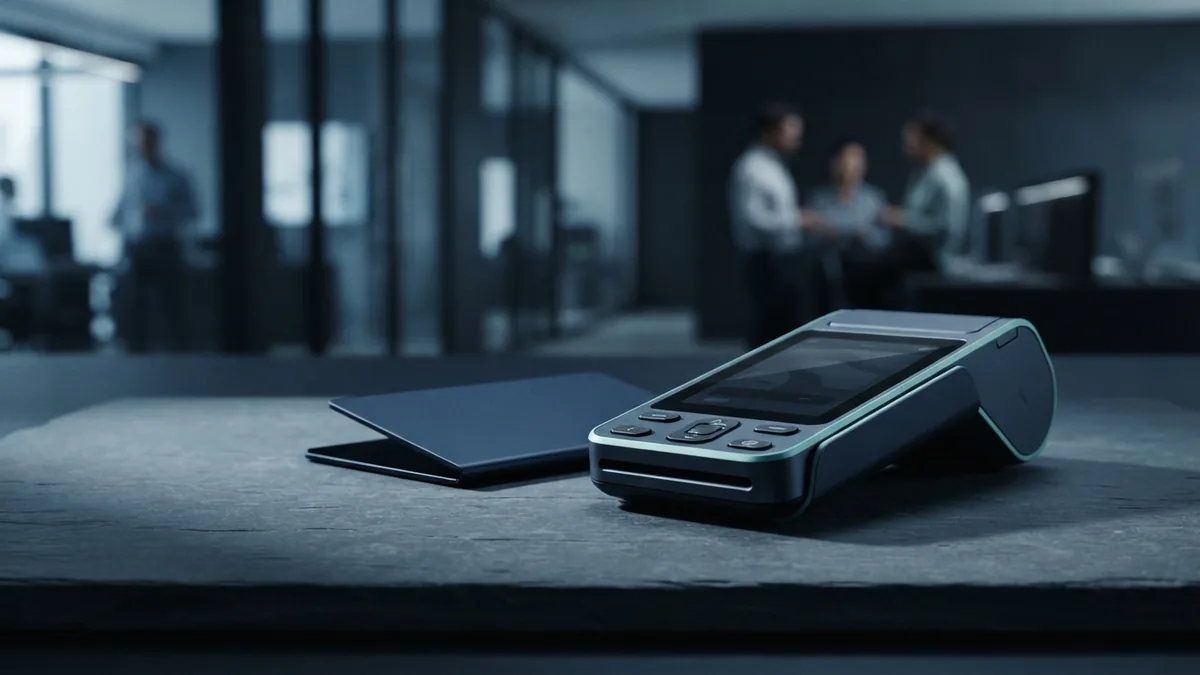
The best credit card machine for a small business is one that suits your checkout and connects reliably. A countertop terminal can work well at a fixed till. A smart terminal may add receipts, staff access or stock tools. A basic reader that pairs with a phone can cost less, but it depends on your phone and payment app.
Look for contactless card support, chip-and-pin entry where needed, and a clear refund process. Check the device’s connection options, such as Wi-Fi, wired internet or mobile data. Ask how long the battery lasts during a normal shift. Also confirm whether the machine can print receipts or send them by email or text.
Reliable hardware needs reliable service behind it. Find out who replaces a faulty unit and how fast they can send one. Ask whether software updates happen automatically and whether your staff can take payments during a brief internet outage. For a small team, simple setup and quick help can matter more than extra features.
Before you buy, test the machine with a small payment and refund. Check the receipt, settlement report and bank deposit. This catches setup issues before a busy day.
EFTPOS machines and where they fit
EFTPOS means electronic funds transfer at point of sale. In Australia and New Zealand, people often use the term for card terminals that accept payments in person. The term can mean different things in other markets, so check what a local provider includes. Many EFTPOS machines now accept contactless cards and digital wallets.
The best EFTPOS machine for a small business depends on location, connection and sales volume. A fixed terminal may suit a shop with a steady counter. A wireless unit can work for table service, markets or a clinic. Ask whether the machine supports local debit networks, major cards and the wallets your customers use.
Check whether the provider charges for the device, service plan or each payment. Ask how the machine connects and what happens if the main network fails. Some providers offer a backup connection, but the feature and cost vary. A local provider can explain local debit routing and settlement rules.
Portable card machines for mobile businesses
The best portable credit card machine gives you a secure way to take payment away from a fixed till. It can help tradespeople, market sellers, delivery teams and pop-up shops. Options range from a small phone-linked reader to a standalone terminal with mobile data. Pick based on how often you travel and how dependable your phone connection is.
Compare battery life, mobile coverage, weight and charging time. Check whether the device needs a phone to run, and whether your plan includes data. A phone-linked reader can be handy for occasional use. A standalone machine may suit long shifts or teams that need to take payments without sharing a phone.
Think through a typical workday before you choose. A market seller may need a full-day battery and a spare charger. A plumber may value a light reader that fits in a tool bag. Test the device at your work sites, since coverage can vary between streets and buildings.
Portable does not mean less secure. Use a provider that encrypts payment details and offers clear steps for lost or damaged hardware. Keep the device updated and train staff to check payment approval before handing over goods.
Make the choice that fits your sales
For a new business, start with a provider that offers clear costs, easy setup and the payment tools you need now. Square may suit a simple in-person setup, while Stripe is worth comparing for online sales. Businesses with special needs should also get a quote from a local provider or acquiring bank.
Write down your monthly card sales, average payment and sales channels. Ask shortlisted providers to price that exact mix. Compare the total cost, support hours, settlement speed and equipment terms. Then test the terminal or checkout before you commit.
The best choice is the one that makes payment easy for customers and predictable for you. Review the costs again as your sales grow. You may need a different plan, terminal or provider when your business changes.
Frequently asked questions
What is the best credit card processing for a small business?
The best fit depends on your sales channel, payment volume and location. Compare total fees, support, settlement time and hardware before choosing.
What is the best credit card processing company?
Square can suit simple in-person sales, while Stripe offers strong online payment tools. A local provider may fit better when you need local payment methods or tailored support.
What is the best credit card machine for a small business?
Choose a machine that fits your checkout, connection and receipt needs. Compare terminal cost, battery life, contactless support and replacement service.
What is the best EFTPOS machine for a small business?
The right EFTPOS machine depends on your country, card networks and where you take payments. Check local debit support, connection options and all device fees.
What is the best portable credit card machine?
A phone-linked reader may suit occasional mobile sales, while a standalone terminal can work better for long shifts. Compare battery life, mobile coverage and ease of use.
Related Articles
 Guide
ACH Debit Payments — How Bank-to-Bank Transfers Work
See how ACH debits move money, cover bills, and differ from cards and checks.
 Guide
Stop an ACH Payment — Act Before It Processes
Stop a scheduled ACH debit by acting early and contacting both the company and your bank.
 Guide
Payment Processing — How Money Moves from Customer to Business
Follow each payment from checkout through bank approval and final settlement.