
Third-Party Payment Processors: What They Are and How They Work

What are third-party payment processors? (Plain-English definition)
A third-party payment processor lets you take online payments without running a full merchant setup. You plug it in and start getting paid. Many new and small businesses use this path.
If you wonder what are third party payment processors, think “middle service for payments.” The processor moves money from buyer to your account. It also runs parts of checkout and risk checks.
This service sits between your site and the money networks. It may also include a payment gateway. A gateway is the part that safely handles payment data at checkout.
- Third party processing: you accept pay via their service
- Merchant account: you may still use one, but not run it
- Payment gateway: often bundled for safer checkout
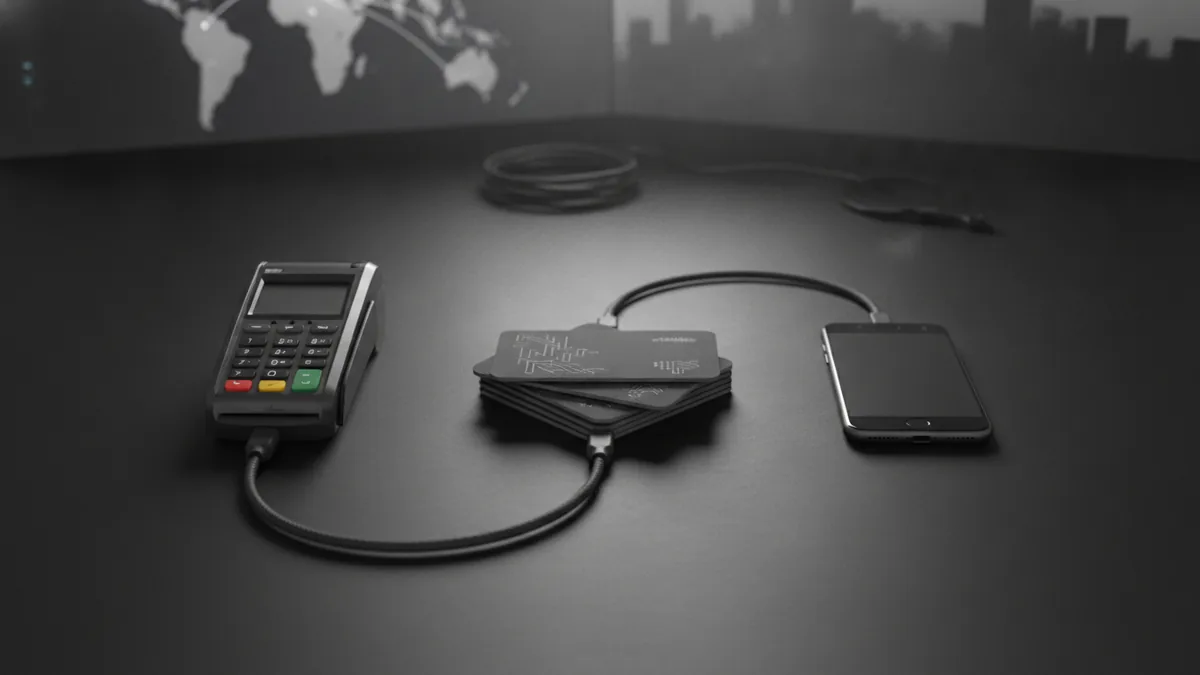
How third-party payment processors work end to end
A payment flow can feel instant to your customer. Under the hood, it follows clear steps. Each step helps keep data safe and money valid.
First, the buyer enters payment info at checkout. That info must be protected during travel. So the system uses encryption to scramble it in transit.
Next comes authentication and authorization. Authentication checks who the buyer is. Authorization asks the bank if the charge can go through.
Then the deal moves to settlement. Settlement is when funds are sent to your account. It usually happens after batches, not right at approval.
- Customer submission: shopper confirms payment
- Encryption: payment data is protected while sent
- Authentication: checks run based on card rules
- Authorization: issuer approves or declines the charge
- Settlement: funds transfer after the batch cycle
Most providers also run fraud detection. Fraud detection is risk checks to stop bad charges. It can reduce losses, but it can also block real buyers.

Benefits and drawbacks of using third-party processors
Third-party payment processors are popular because setup is fast. With a classic merchant account, approval can take longer. It can also require deeper checks.
Many third-party plans use mainly transaction fees. Transaction fees mean you pay per payment. That often beats paying a monthly price for early growth.
The flip side is that per-payment costs can rise. This can happen when you sell high-ticket items. It can also happen when your rate of refunds is high.
Another risk is account review and holds. If the system sees odd patterns, it may pause payouts. These freezes can disrupt your cash flow.
- Faster launch: simpler sign-up than many merchant paths
- Lower start cost: fees per payment instead of big upfront
- Built-in tools: reports, token use, and fraud checks
- Less control: you follow their risk rules
Customer experience is a real factor too. A smooth checkout can lift conversions. A clunky flow can raise drop-offs at payment time.

Popular examples of third-party payment processors
People search for a list of third party payment processors to compare options. A few names show up again and again. PayPal, Stripe, and Square are common examples.
These examples of third party payment processors fit many business types. Some serve solo sellers well. Others focus on apps and dev teams.
Still, “best” depends on your needs. Pricing, supported payment methods, and payout timing differ. You should check terms before you pick one.
| Provider | Common use | What to check first |
|---|---|---|
| PayPal | Buyer-friendly options and wallet use | Local methods and fee rules by region |
| Stripe | Online payments with strong dev support | Rates, dispute costs, and refund flow |
| Square | Retail plus online for small and mid firms | How online syncs with your POS |
If you want best third party payment processors, match to your market. Look for steady approvals and clear payout rules. Compare support for cards and other payment methods.

Key considerations when choosing a processor
Pick a processor that fits your sales model. Decide where you sell and what buyers expect. Then verify supported payment methods in those places.
Use a full cost view, not just one rate. Compare transaction fees with refund and dispute costs. Also check currency costs if you charge in many currencies.
Fraud tools matter too. Ask how fraud detection flags orders. Also ask if you can adjust rules as your business grows.
Settlement timing can make or break cash flow. Some services pay faster than others. Confirm when funds land after approval and batch cycles.
- Checkout fit: hosted checkout or API integration
- Payment methods: cards, wallets, and local options
- Transaction fees: per payment plus extras for refunds
- Fraud checks: how holds and declines work
- Settlement timing: when money moves to you
If you use a separate payment gateway, check handoff details. Some setups combine gateway and processor. Others need careful testing for token flow.
Future trends in payment processing
More risk decisions are getting smarter and faster. Many firms use new fraud signals to cut bad wins. The goal is fewer blocks for real buyers.
Local payment methods will keep expanding. Buyers want the easiest option in their country. So providers keep adding new ways to pay beyond cards.
Also expect more routing and payout control. Some platforms choose the best route for approval odds. Over time, you may get clearer data on why outcomes vary.
If you plan to grow, choose for change. Look for support across countries and new payment methods. Also check how well disputes are tracked and handled.
Quick comparison tip
Test with real orders using your real payment methods. Track approval rates over a full week. Also test refunds and check dispute steps.
When a merchant account may still help
Some firms later want direct control over risk and routing. That can mean a more direct acquiring link. But many start with third-party processors for speed.
What to do next
Shortlist two or three providers that support your regions. Request quotes for your expected volume. Then validate payout speed and support for chargebacks.
Outbound note: For deeper card network background, use official guidance from key standards and network bodies.
Frequently asked questions
What are third party payment processors?
They are payment services that connect your checkout to card and banking networks. They handle encryption, authorization, and settlement for you.
Do third-party payment processors replace a merchant account?
Not always. Some providers bundle acquiring access so you do not manage the merchant account directly.
How do third-party payment processors make money?
Most charge transaction fees per payment. Some may add fees for specific payment types, refunds, or disputes.
Why would a third-party processor freeze an account?
They use fraud detection and risk rules to protect against suspicious behavior. False positives can happen, so review their review and appeal process.
What should I compare when choosing among payment processors?
Compare transaction fees, supported payment methods, settlement timing, and how disputes are handled. Also check how much control you get over risk settings.
Are third-party payment processors good for global payments?
Often, yes. Many support multiple currencies and local payment methods, which improves customer experience in each market.
Related Articles

Global Payment Gateways — How to Compare Your Options
Compare global gateways by market reach, payment methods, fees, and fit.

Choose a Payment Processor That Fits Your Small Business
Compare fees, features, and support to find a processor that fits your business.

Understand Recurring Payments — How They Work for Businesses
See how recurring billing works, what it costs, and how to manage its risks.