
Build Payment Gateway Software from Architecture to Launch
What Payment Gateways Do
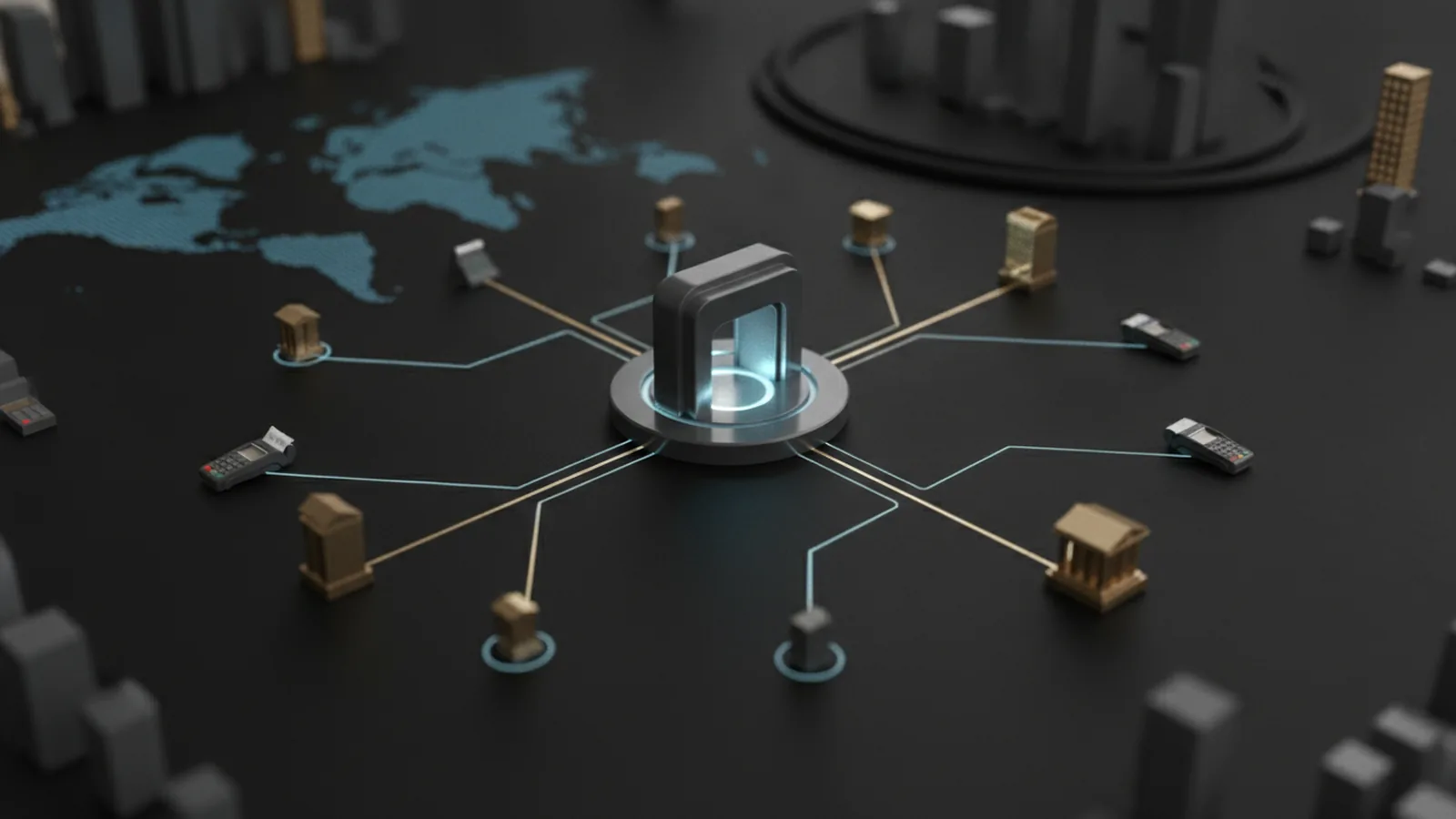
Payment gateway software links a customer’s checkout with a merchant and its financial partners. It sends payment data for approval. It then returns the result to the store.
The gateway does not always move the funds itself. An acquiring bank or payment service provider often handles that task. The gateway passes a payment request through the right channel.
A typical card payment takes seconds. The gateway checks the request, asks the card network for approval, and records the result. It can also handle refunds, failed payments, and recurring charges.
Strong gateway software must support more than card payments. Digital wallets, bank transfers, local methods, and buy-now-pay-later tools now shape online sales. A wider payment mix can help merchants sell across borders.
- Customer: Starts the payment at checkout.
- Merchant: Offers goods and receives the payment result.
- Gateway: Sends data between the merchant and payment partners.
- Acquirer: Receives card payments for the merchant.
- Issuer: Approves or declines the customer’s payment.

The Core Parts of Payment Gateway Software
Payment gateway software development starts with a clear system design. Each part must work fast and fail safely. The design also needs room for new payment methods.
APIs and payment requests
An API lets the store send payment details to the gateway. It also returns approval results, errors, and refund updates. Good API design uses clear fields and stable version rules.
API management should include rate limits and access keys. It should also log each request without storing full card numbers. Clear error codes help merchants fix failed payments quickly.
Processing and merchant tools
The transaction engine checks each request and sends it to the right partner. It tracks status from start to finish. It must stop duplicate charges when a customer taps twice.
Merchant management tools support users, stores, settlements, refunds, and reports. They can set rules by country, currency, card type, or sales channel. These tools reduce work for support and finance teams.
Token and fraud tools
Tokenization replaces sensitive card data with a safe token. The merchant can use that token for later charges. The real card number stays in a protected payment system.
Fraud detection tools review signals such as device data, payment size, and order speed. They can block risky payments or ask for more proof. Rules should limit fraud without harming good customers.
| Component | Main job |
|---|---|
| API layer | Connects stores and payment services |
| Processing engine | Routes requests and tracks payment status |
| Token vault | Protects stored payment details |
| Fraud layer | Scores risk and blocks harmful activity |

Three Ways to Build a Gateway
A product team can build a gateway from scratch. This route gives full control over data, rules, and partner links. It also brings the largest cost and the most risk.
Building from scratch suits firms with deep payments skill and large volume. The team must run testing, security work, partner checks, and support. It must also keep pace with changing rules.
Direct integration is a faster route. The merchant connects its checkout to one payment provider’s API. This works well when one market and one payment mix meet the business need.
An orchestration layer links several providers through one system. It can route payments by cost, region, uptime, or approval rate. This approach helps firms add local methods and manage cross-border payments.
- Build from scratch: Best control, but high cost and long build time.
- Direct integration: Fast launch, but greater reliance on one provider.
- Orchestration: More choice and backup paths, but added system complexity.
The best payment gateway software depends on volume, regions, staff, and risk needs. A small shop may need a direct link. A global platform may need routing across many providers.
Integration and Rules You Must Plan For
Integration begins with the checkout flow. The store sends a payment request, then waits for a result. The gateway should also send webhooks for later events, such as a refund or dispute.
Teams should test success, decline, timeout, and repeat-payment cases. They should also add an idempotency key. This key stops a retry from creating a second charge.
PCI DSS sets rules for firms that store, process, or send card data. The PCI Security Standards Council’s PCI DSS guidance is the right source for current card data rules.
Many payment products also need KYC, or know-your-customer checks. These checks confirm who runs an account. They help reduce fraud, money laundering, and misuse of payment services.
Plan for local rules before launch. Tax needs, data location, customer checks, and refund rights vary by market. A payment gateway software provider should show which tasks it covers.
- Map card, wallet, bank, and local payment flows.
- Define webhook events and retry rules.
- Set rules for KYC checks and account review.
- List each market’s data and refund needs.
- Test refunds, disputes, and failed payments before launch.

Security Controls for Payment Gateways
Security must shape the design from the first day. It cannot sit as a final check before launch. One weak service can expose payment data across many merchants.
Use encryption while data moves across a network. Use strong storage controls for data at rest. Tokenization can keep card numbers out of the merchant’s own systems.
Multi-factor authentication adds a second proof of identity. Use it for merchant staff, support teams, and system admins. Give each role only the access it needs.
Keep secrets in a secure vault. Rotate keys on a set schedule. Record admin actions and alert teams when access looks strange.
Security tests should cover the API, checkout, partner links, and webhooks. Test for replay attacks, weak access checks, and duplicate payment attempts. Patch critical flaws before they reach production.
Choose a payment gateway software development company that can show its security process. Ask about audits, incident response, key storage, and test records. Clear answers matter more than a long feature list.
Where Gateway Development Is Heading
E-commerce keeps pushing payment systems toward more choice. Merchants want cards, wallets, bank pay, and local methods in one checkout. They also want one view of refunds and settlements.
Payment orchestration will grow as firms seek backup routes. A second provider can keep sales moving during an outage. Smart routing can also cut fees or lift approval rates.
Multi-currency support will remain important for global stores. Buyers want familiar prices and local payment methods. Merchants need clear currency rules before they scale.
Fraud tools will use more signals from devices, accounts, and order history. Better models can spot risk with fewer false declines. Teams still need human review for unusual cases.
Future systems will focus on open APIs, faster partner setup, and safer checkout flows. The strongest platforms will join good user experience with firm controls. That balance will guide payment gateway software development for years.
Frequently asked questions
What is payment gateway software?
A payment gateway sends payment data between a merchant, payment provider, and financial institutions. It returns an approval, decline, or error result.
How do I choose the best payment gateway software?
It depends on your sales volume, markets, payment methods, risk needs, and team skills. Direct links suit simple needs, while orchestration suits firms with many providers.
How can a business integrate online payment gateway software?
Common options include direct API links, hosted checkout pages, plugins, and payment orchestration layers. The right choice depends on control, speed, and coverage.
What compliance rules apply to payment gateway development?
Key needs include PCI DSS controls, secure APIs, tokenization, access rules, fraud checks, and clear records. KYC checks may also apply to merchants and account holders.
How long does payment gateway software development take?
Build work can take weeks for a basic provider link. A full gateway can take many months because it needs partner links, testing, security work, and rule checks.
Related Articles
Payment Ecommerce — Methods, Processing and Provider Choice
Compare payment methods, processing steps, provider costs, and checkout security.

Accept ACH Payments — Lower Fees and Easier Bank Transfers
Set up ACH payments, lower fees, and collect bank transfers with less friction.

School Fee Payments — Build a Better Online System
See how schools can make fee payments safer, faster, and easier.