
Ecommerce Payment Processing: Gateways, Security, and Reconciliation
What ecommerce payment processing really includes
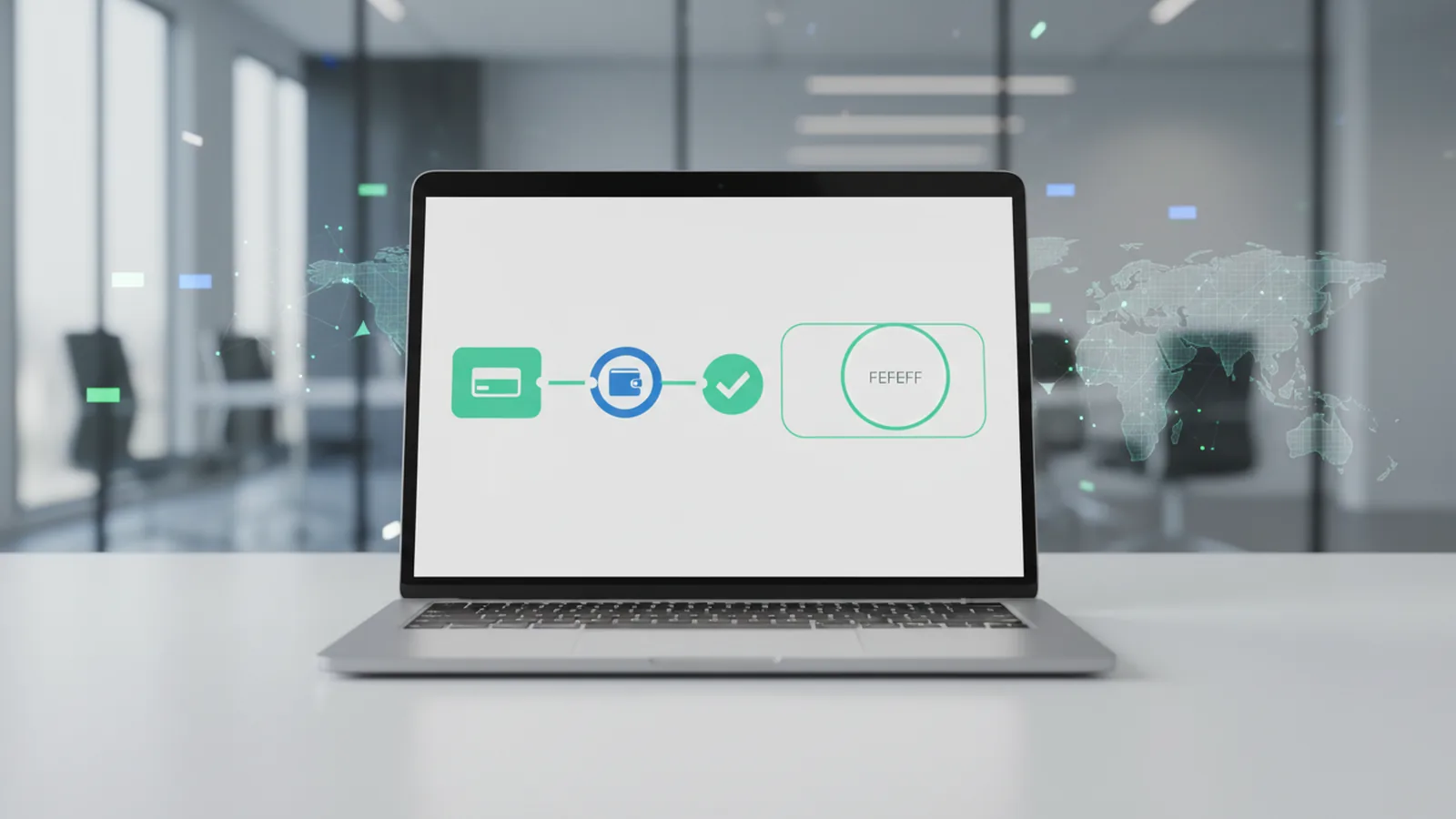
Ecommerce payment processing is the full path from customer checkout to settled funds in your account. It covers authorization, capture, refunds, and payouts. It also covers the data that proves each transaction happened. Without that data, reconciliation becomes manual and error-prone.
Most teams separate the work into two layers. The first layer handles payments at checkout. The second layer handles the back office after money moves. Both layers must match your business rules and reporting needs.
An ecommerce payment system is more than “getting paid.” It includes routing, retries, fraud checks, and payment method support. It also includes support for local currencies and local payment methods, if you sell internationally.
- Checkout payments: payment gateway, routing, authorization, capture
- Post-transaction operations: refunds, chargebacks, invoices, settlement reporting
- Financial controls: reconciliation, reporting, audit trails, exception handling
Choosing the right ecommerce payment gateway

An ecommerce payment gateway integration is the bridge between your storefront and the payment rails. It usually sits between your checkout and a PSP or acquiring bank. Your gateway choice affects speed, failure rates, supported payment methods, and reporting quality.
Start with your payment methods target. Then check whether the gateway supports those methods in your markets. For b2b ecommerce payment methods, you often need invoicing support, purchase card workflows, and clear authorization and capture rules.
Next, check how the gateway handles events. Good gateways send webhooks for authorization, capture, refunds, and disputes. You need those events to keep your order system and finance system aligned.
Evaluation checklist for gateway fit
- Supported ecommerce payment methods: cards, wallets, bank transfers, local rails
- Authorization and capture options: auto-capture vs manual capture
- Refund behavior: partial refunds, split refunds, reason codes
- Reporting clarity: transaction IDs, timestamps, and settlement status fields
- Operational reliability: webhook delivery, retries, and status pages
Securing ecommerce payment: from checkout to operations

Ecommerce payment security is not only about fraud detection. It also includes secure handling of customer data and safe transaction flows. A secure setup reduces fraud losses, chargebacks, and compliance effort.
Begin with data minimization. Use the gateway’s hosted fields or tokenization when available. This limits how much sensitive data your systems must store or process. It also reduces the scope of security controls you must maintain.
Then set strong controls around payment attempts. Use risk signals from the gateway. Also enforce clean session handling and prevent duplicate checkout submissions. Duplicate attempts can inflate costs and complicate reconciliation.
Security practices that impact real operations
| Area | What to implement | Why it matters |
|---|---|---|
| Token handling | Use gateway tokens, not raw card data | Reduces exposure and keeps flows consistent |
| Fraud controls | Use rules and adaptive risk checks | Limits fraud without blocking good customers |
| Webhook integrity | Verify signatures and store event logs | Makes reconciliation trustworthy |
| Refund discipline | Track refund reasons and map to orders | Improves audit trails and dispute handling |
Finally, plan for exceptions. Not every payment settles instantly. Some payments require review or later captures. Your ecommerce payment security plan should include playbooks for each exception type.
How ecommerce payment processing works with authorization, capture, and settlement
Ecommerce payment processing is best understood as a sequence of states. First comes authorization, which checks funds availability. Then comes capture, which actually moves the payment from authorization to a charge. Finally comes settlement, where the acquiring bank or PSP pays out to your account.
Different setups choose different timing. Some merchants auto-capture immediately to speed up settlement. Others use manual capture to confirm fulfillment or service delivery. If you sell subscriptions or physical goods, timing should match your business process.
Also account for payment failures. A gateway may return declines, soft declines, or timeouts. Soft declines can succeed after a retry, but only if your rules allow it. Your order system should store the reason codes and statuses for each attempt.
A practical mapping of common payment states
- Initiated: customer submits checkout and a payment token is created
- Authorized: funds are reserved and you receive an authorization event
- Captured: you confirm the charge and receive a capture event
- Settled: funds move and settlement reports become available
- Adjusted: refunds or disputes change net amounts later
When these states are recorded cleanly, your ecommerce payment reconciliation becomes faster. It also makes audits simpler when finance needs proof.
Reconciliation: making ecommerce payment reconciliation predictable
Ecommerce payment reconciliation is the process of matching payment events to orders and settlement statements. It is where many teams lose time. Differences in time zones, partial captures, and fees can cause mismatches. If you treat reconciliation as an afterthought, errors grow each month.
Ecommerce payment reconciliation software helps by automating the mapping logic. It ingests gateway events, PSP reports, and bank statements. Then it matches gross amounts, fees, and net settlements to your internal records. This reduces manual spreadsheets and makes exceptions visible.
When evaluating ecommerce payment reconciliation tools, focus on traceability. You need consistent transaction IDs from the gateway to the settlement report. You also need clear fee breakdowns and support for multi-currency accounts.
Reconciliation data you should require
- Event-level details: authorization, capture, refund, dispute events
- Order mapping: order ID, invoice ID, and consistent metadata
- Fee transparency: scheme fees, gateway fees, and processing fees
- Settlement status fields: payout dates and statement identifiers
- Exception handling: missing events, retries, and duplicated attempts
For ecommerce payment processing services, ask how they support reconciliation. Some partners offer reporting dashboards. Others provide file exports. The best partners also help you connect your systems so reconciliation uses the same identifiers end to end.
Ecommerce payment trends shaping gateway and processing choices
Ecommerce payment trends are about both customer needs and operational efficiency. More merchants want local payment methods in each market. That means choosing gateways and PSPs that can connect to acquiring banks worldwide. It also means handling different settlement timelines and reporting formats.
Another trend is faster and cleaner event flows. Gateways are improving webhook reliability and offering better status fields. Merchants are also moving from basic reports to reconciliation and automated exception workflows.
Finally, teams focus more on security and cost control. Better fraud tooling reduces losses. Better retry logic reduces failed orders. Together, these changes improve conversion rates and reduce payment ops workload.
Trends to watch in the next 12 to 18 months
- Broader local payment method coverage: fewer “cards only” checkouts
- More data for reconciliation: richer event payloads and fee breakdowns
- Smarter routing: selection based on success rates and cost
- Better dispute workflows: clearer evidence and faster updates
If you choose ecommerce payment processing companies, evaluate them on how they support these trends in practice. Look at their reporting quality, integration support, and operational maturity.
For many merchants, the winning approach is a combined strategy. Use a strong ecommerce payment gateway integration at checkout. Then invest in reconciliation and security controls after checkout. That combo keeps payments fast, and finance sane.
Frequently asked questions
What is ecommerce payment processing?
It is the end-to-end flow that moves a customer payment from checkout to settlement. It includes authorization, capture, refunds, and dispute handling.
How do ecommerce payment gateways work with a storefront?
A gateway connects your checkout to a PSP or acquiring bank. Your system sends payment details, and the gateway returns status via API and webhooks.
Which ecommerce payment methods should B2B stores support?
Many B2B stores add workflows for purchase cards, invoicing-friendly flows, and clear refund handling. The exact mix depends on buyer country and procurement rules.
What is ecommerce payment reconciliation and why is it hard?
It is matching payment events to orders and settlement statements. It gets hard due to fees, timing differences, partial captures, and retries.
Do I need ecommerce payment reconciliation software?
If you process many transactions or multiple countries, it saves time and reduces errors. It automates matching and highlights exceptions that need review.
How can teams improve ecommerce payment security without hurting conversion?
Use tokenization and hosted fields where possible. Combine gateway risk checks with good retry rules and clean session handling.
Related Articles

Payment Processing Systems — How to Choose the Right Fit
Compare payment systems and choose the right fit for your business.

Choose Online Payment Services — Compare Fees and Features
Compare payment fees, features, security, and global reach before you choose.

Payment Ecommerce — Methods, Processing and Provider Choice
Compare payment methods, processing steps, provider costs, and checkout security.