
ACH Direct Payments: How They Work and Why They Matter
What are ACH Direct Payments?
ACH direct payment means moving money from one bank to another using the ACH network.
It is an electronic funds transfer made through a shared bank system.
Many people use it for bills and pay checks. It can also move money between people.
Businesses use ACH for steady, repeat billing and payroll. That often helps them cut payment processing fees.
How ACH Direct Payments Work
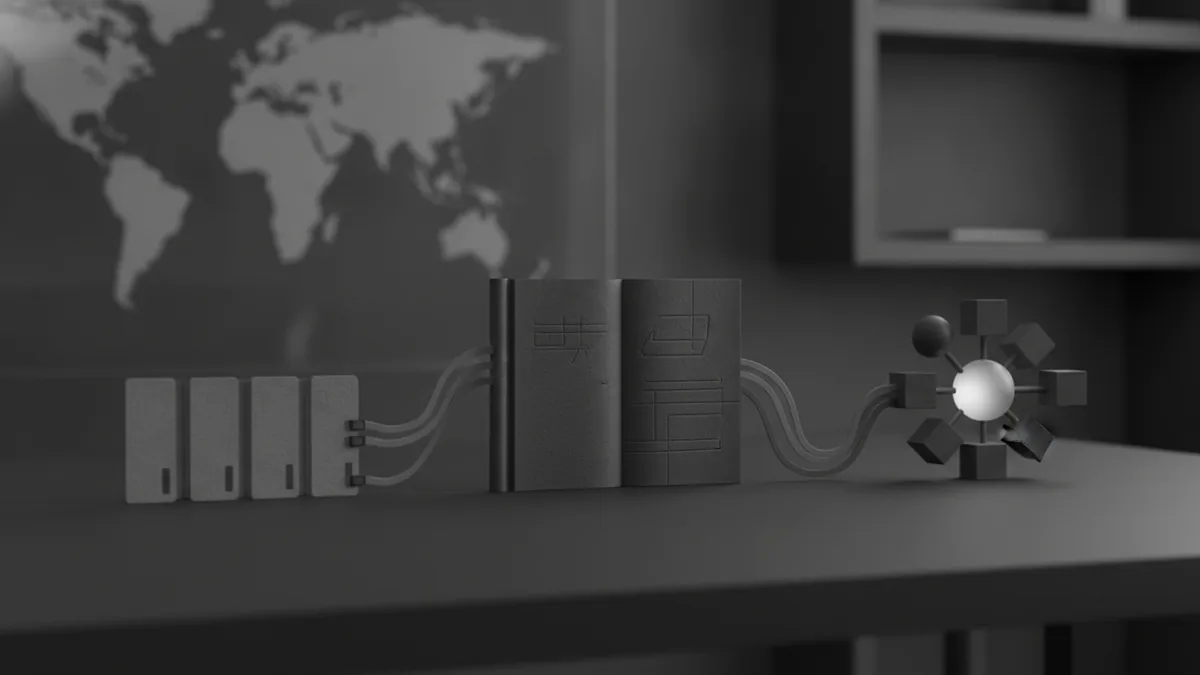
First, the payer starts the payment in a bank app or a checkout flow.
They send the payee’s routing number and bank account number. This is the core ACH data.
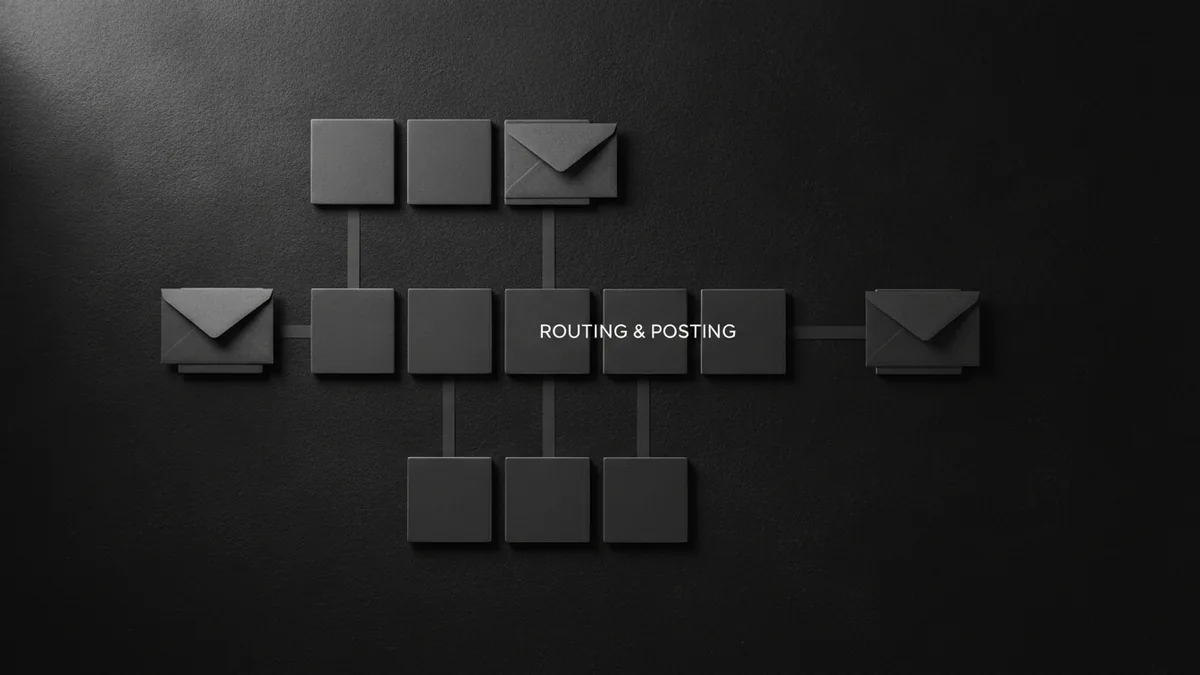
Next, the payer’s bank checks the details and accepts the entry. Then the network routes it to the payee bank.
After that, the receiving bank posts the funds. The timing depends on bank cut-off times.
Many ACH payments clear in hours. Some take one to several days.
Some setups offer same-day ACH transactions. Others support next-day processing for many payments.
To initiate an ACH payment, you usually need bank account details. You may also need proof of permission.
- Start: enter amount and recipient bank details
- Check: payer bank validates the request
- Route: ACH network sends to the receiving bank
- Post: funds show in the recipient account
Types of ACH Transactions
ACH transactions vary by direction. Some push money to an account.
Others pull money from a payer’s account.
In daily life, direct deposit is common. It sends salary to workers from an employer bank.
Bill pay is also common. It sends money from a payer to a biller.
For businesses, recurring payments are a top use. A subscription plan may pull funds each month.
Person-to-person transfers also use ACH. They let one person pay another using bank details.
| Type | Common use | Money flow |
|---|---|---|
| Direct deposit | Payroll and benefits | To employee accounts |
| Bill pay | Invoices and household bills | To the biller |
| Recurring pull | Subscriptions and plans | From payer to business |
| P2P transfer | Send money to a friend | To the recipient |
When you design recurring payments, map each step to your system.
That includes approval, sending, and return handling when a payment fails.

Benefits of ACH Direct Payments
ACH direct payment helps when you want low cost and steady timing.
For many merchants, ACH is less expensive than card deals.
This is most clear at scale, when you run lots of commercial transactions.
ACH also fits repeat billing. That means fewer edits and less manual work.
For customers, ACH is simple. They use bank balance instead of a card each time.
Consumers use ACH for bill pay and direct deposit. They also use it for P2P moves.
Timing is improving too. Some same-day ACH transactions help with faster cash flow.
- Lower cost: often lower payment processing fees than cards
- Built for repeat: good for recurring payments and plans
- Better records: entries often match invoices cleanly
- Fewer steps: payers can use bank details once
How to Make and Accept ACH Payments
If you are a consumer, you usually submit bank account details to a payee.
You share the routing number and bank account number to start an ACH transfer.
Many billers guide you through this in online bill pay or a banking app.
Some checkout flows also offer ACH as a pay option.
If you are a business, you accept ACH via your payment stack.
A direct payment gateway can connect your checkout to ACH rails.
Or you may use direct payment services that submit entries for you.
You must also manage permission and track each payment state.
For example, handle these states in your tools. “Sent” means it is in flight. “Posted” means money landed.
Then handle “Returned” when the bank sends it back.
For recurring payments, collect permission and bank details once.
Then run each cycle on your schedule and reconcile results to invoices.
To start an ACH payment, you typically need:
- Recipient routing number and bank account number
- Payment amount and planned date
- Payer permission details when needed
- Rules for returns and reporting fields
Costs of ACH Payment Processing
ACH costs depend on your provider and your payment volume.
Many plans charge a per-payment fee. Some also add a monthly fee.
Some providers add charges for extra tools and reporting.
To judge cost, look at total work too. Faster posting can cut staff time.
Clean data can cut failed payments. That lowers rework and return work.
Businesses often compare ACH to card processing because card fees can be higher.
ACH can be cheaper for recurring payments at high volume.
If you need same-day ACH transactions, you may pay more for speed.
Many teams start with standard ACH and add faster steps later.
In some fields, like mortgage settlement flows, timing can be strict.
Teams may plan for the national mortgage direct payment settlement schedule and rules.
In those cases, you review program timelines with your provider.
Differences Between ACH Payments and Other Payment Methods
ACH differs from card payments in how fast funds move and how they clear.
Cards often need an authorization step before settlement.
ACH moves money between bank accounts through the ACH network.
Classic ACH can take hours to days. Cards can feel faster at checkout.
ACH is often best for repeat billing and payroll. Cards shine for one-time buys.
Wire transfers are faster than ACH in many cases. They often cost more too.
Checks are slower and add mailing steps.
Use method fit to pick the best option for each use case.
| Method | Typical speed | Good for | Main cost drivers |
|---|---|---|---|
| ACH direct payment | Hours to days | Bills, payroll, recurring payments | Per-entry fees |
| Cards | Fast checkout | One-time purchases | Card payment processing fees |
| Wire | Very fast | Urgent transfers | Bank wire charges |
| Check | Slow | Legacy needs | Mail and handling |
If you offer both ACH and cards, customers get choice.
Offer ACH for plans that need low cost. Offer cards when speed matters most.
Quick recap
ACH direct payment is an electronic funds transfer using the ACH network.
It moves money via routing numbers and bank account numbers.
Clear time can be hours to days, with same-day options in some setups.
Consumers use ACH for bill pay and direct deposit.
Businesses benefit through lower cost and smoother recurring payments.
If you want payment processing direct, pick a solid direct payment gateway.
Then build for timing and returns from day one.
Frequently asked questions
What is an ACH direct payment?
An ACH direct payment is a bank-to-bank transfer made through the ACH network. People use it for bill pay and direct deposit.
How long does an ACH payment take to clear?
ACH can clear in a few hours or take several days. Cut-off times and bank schedules affect the exact timing.
What information do I need to make an ACH payment?
You usually need the recipient’s bank account number and routing number. Many cases also need permission from the payer.
Are ACH transactions cheaper than credit card payments?
Often, yes. For many businesses, ACH is less expensive than card transactions, mainly due to lower processing fees.
Can businesses accept ACH payments through a direct payment gateway?
Yes. Many businesses plug ACH into a direct payment gateway or use direct payment services. This helps automate submission and tracking.
How does ACH differ from wire transfers and card payments?
Wire transfers often arrive faster but can cost more. Cards may feel faster at checkout but can carry higher card payment processing fees.
Related Articles
Choose a Payment Solution Provider for Your Business
Compare payment providers by fees, features, sales channels, and business needs.

Payment Subscriptions — From Setup to Renewal
Compare subscription models, manage renewals, and fix common payment issues.
Payment Gateways in the USA — Compare Four Leading Options
Compare four leading US gateways by features, fees, security, and business fit.