
ACH Automatic Payments: How They Work, Benefits, Risks
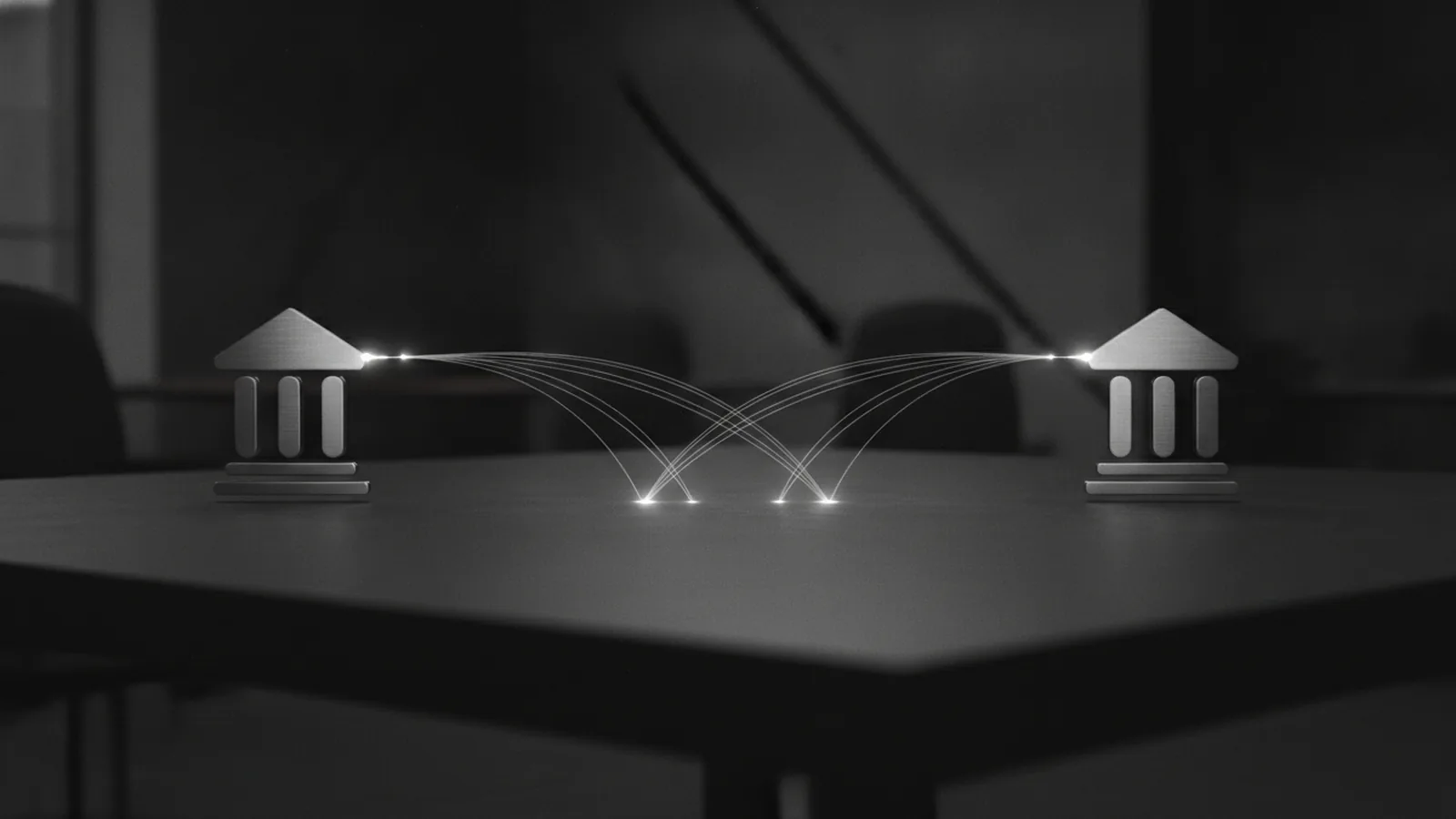
ACH automatic payments, in plain terms
An ACH automatic payment is an electronic move of money between U.S. bank accounts. Businesses use it to charge or pay on a set schedule.
It is driven by bank rules and shared network steps. The system is the Automated Clearing House, or ACH.
Most ACH transfers settle in 1 to 3 business days. Same-Day ACH can help for urgent needs.
This guide explains how ACH works and what it costs. You will also see the main benefits and risks.

How ACH payments work (credits and debits)
ACH moves funds through financial institutions in the U.S. A sender’s bank passes payment data to the ACH network.
Then the receiver bank posts the funds to the right account. This process follows NACHA rules.
ACH has two common paths. One adds money, and the other pulls money out.
Direct deposit is a credit into an account. Automatic withdrawal is a debit taken from an account.
- Direct deposit (credit): money lands in the worker’s or customer’s account.
- Automatic withdrawal (debit): money is pulled from the customer’s account.
- Recurring ACH payments: the same debit runs on a set plan.
If you run recurring billing, you usually use debits. The payer gives payment authorization once, then payments repeat.
That authorization is key for automatic bill payment services. It links the customer’s bank details to your future charges.
Benefits of using ACH automatic payments
ACH automatic payment services can cut manual work for finance teams. You stop chasing checks and typing card data.
Recurring ACH payments also bring steadier cash flow. That helps you plan payroll and pay vendors on time.
Convenience can also lift the customer payment experience. A customer pays without logging into a portal each month.
ACH can be cheaper than card charges for many businesses. Typical fees can run about $0.05 to $5 per payment.
This pricing can help when you bill large groups. It also helps with rent, utilities, and subscriptions.
- Payroll: funds move to staff bank accounts on a schedule.
- Utilities: monthly bills pull from a customer bank account.
- Subscriptions: repeat charges run each billing cycle.
- Rent: debit payments can match lease terms.
When payments land on time, reconciliation gets easier. Teams match bank results to expected payment runs.

Challenges and risks to plan for
ACH is not instant in most cases. Standard ACH processing usually takes 1 to 3 business days.
That timing can miss a strict due date. Same-Day ACH can help, but availability varies by setup.
Another risk is returned payments. If an account is closed or low on funds, a debit can fail.
Returns create extra work for your team. You must track return codes and decide on retry steps.
Payment authorization also needs care. If consent is missing, you may face disputes.
Also watch for bad bank data. If routing or account numbers are wrong, the transfer can fail or return.
| Challenge | What you may see | What to do |
|---|---|---|
| Slow timing | Funds arrive 1–3 days later | Set billing dates around settlement |
| Payment returns | Debits bounce due to account issues | Use alerts and clear retry rules |
| Weak consent | Unclear payment authorization | Save consent details at signup |
| Bad data | Routing or account entry mistakes | Validate bank fields before charge |
Good ops reduce these issues. You need checks before you run each batch.
Setting up ACH automatic payments for a business
Start by choosing your payment direction. You either run a direct deposit or an automatic withdrawal.
Then pick your schedule. For recurring billing, set a clear due date and pay date plan.
Next, gather bank details and payment authorization. This is the core of any automatic bill payment services flow.
Write down who approves charges and when. Store that data in your billing system for later review.
Then connect to an automatic payment service. Your provider sends the payment data and returns status updates.
Many teams also set up payment reporting early. That helps with payment reconciliation from day one.
- Decide on credit or debit and set a run schedule.
- Collect payment authorization and bank details during signup.
- Connect to a provider that can run ACH payments for you.
- Test with small runs and check return handling rules.
- Match your expected list to bank results each cycle.
Once you see stable results, scale up. Keep an update path for bank account changes.

Comparing ACH to other methods
ACH works best when payments repeat. Credit cards can work too, but they cost more on each swipe or tap.
Cards also add dispute risk. That can mean chargebacks and time spent on review.
ACH trades speed for low cost. It often settles in 1 to 3 days, which fits many bills.
Compared with wires, ACH is built for routine batches. Wires are common for urgent moves and one-off deals.
Compared with checks, ACH is faster and easier to track. It also reduces lost mail and manual deposit steps.
| Method | Timing | Good for | Main downside |
|---|---|---|---|
| ACH | 1–3 business days | Subscriptions, payroll, rent | May return if funds fail |
| Credit card | Often same-day posting | Quick one-time buys | Higher fees and disputes |
| Wire | Often same-day | Urgent payments | Higher cost per transfer |
| Check | Days to weeks | Low-tech workflows | Slow cash and manual work |
If you serve repeat payers, ACH can be a strong fit. Match the timing to your billing cycle.
Where ACH payments are headed next
ACH is getting faster in practical ways. Same-Day ACH supports more urgent needs.
Tools for automatic payment processing keep improving too. Many services offer clearer status updates and better return data.
That can help with payment reconciliation. Teams can spot issues sooner and fix them with fewer emails.
More businesses also want smoother signup flows. Better data checks can reduce bad routing and reduce returns.
As recurring billing grows, ACH stays useful. It balances cost, automation, and wide bank reach in the U.S.
If you pick an automatic payment service, test it first. Start with one plan, then scale after returns look stable.
Frequently asked questions
What does ACH stand for in ACH automatic payments?
ACH stands for Automated Clearing House. It is the U.S. system that moves electronic payments between bank accounts.
Are ACH payments automatic deposits or withdrawals?
They can be either. ACH direct deposit is a credit, and ACH automatic withdrawal is a debit that pulls money from an account.
How long does automatic payment processing take with ACH?
Standard ACH processing usually takes 1–3 business days. Same-Day ACH may be available for urgent payments, depending on your setup.
What are the main benefits of recurring ACH payments?
Recurring ACH payments reduce manual work and make cash flow more predictable. They can also improve customer payment experience through convenience.
What are common challenges when using ACH payments for bills or subscriptions?
The biggest challenges are timing and handling returns when accounts fail. You also need solid payment authorization and accurate account data.
How much do ACH automatic payment services typically cost?
ACH fees often average about $0.05 to $5 per transaction. Pricing depends on your provider, volume, and payment mix.
Related Articles
Payment Processing Systems — How to Choose the Right Fit
Compare payment systems and choose the right fit for your business.
Choose Online Payment Services — Compare Fees and Features
Compare payment fees, features, security, and global reach before you choose.
Payment Ecommerce — Methods, Processing and Provider Choice
Compare payment methods, processing steps, provider costs, and checkout security.